

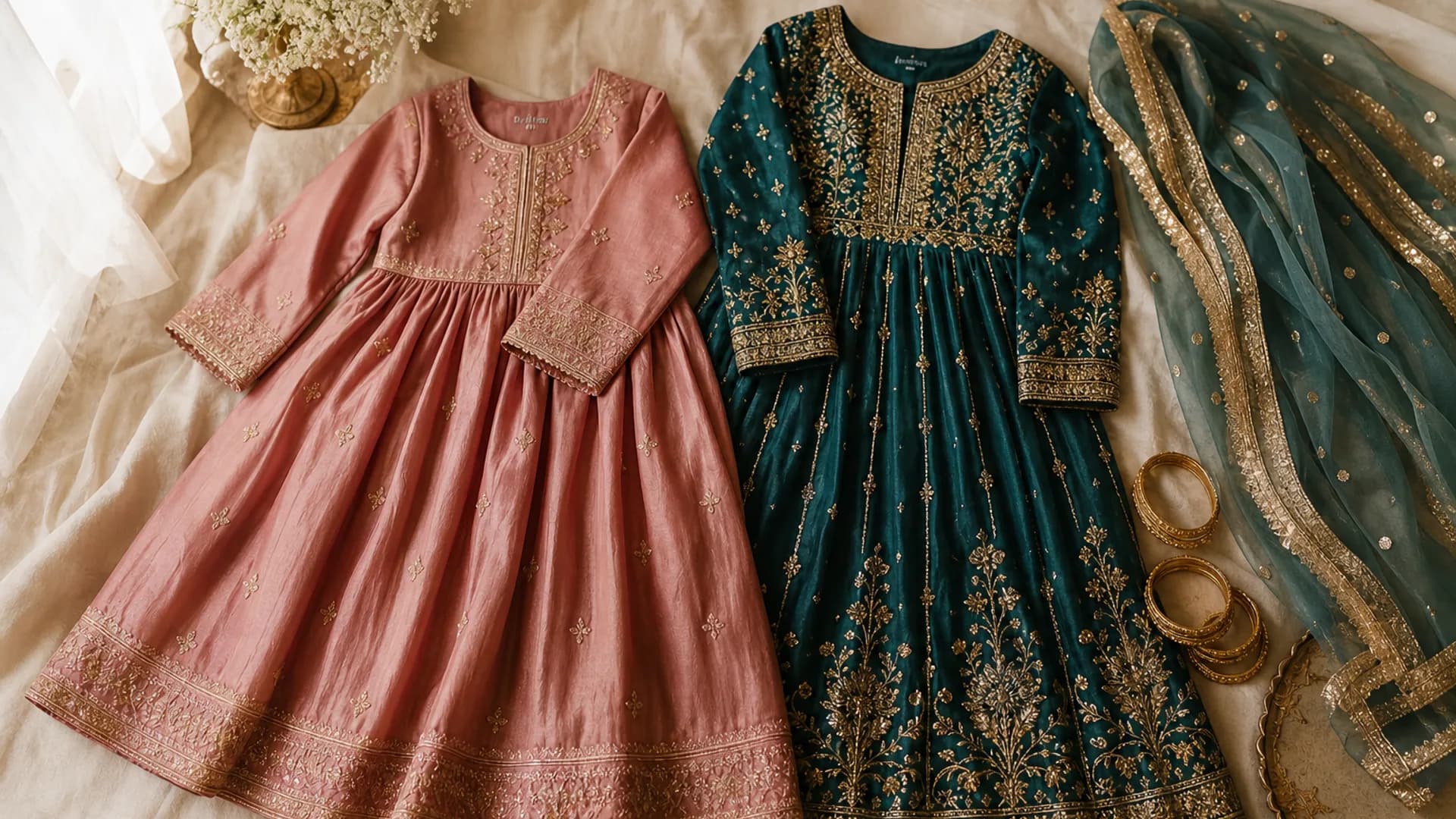
Silk Frock or Embroidered Gown? A Guide for Girls
Two silhouettes dominate girls' formalwear in Pakistan, and they suit very different children and very different events. Here is how to choose without guessing.
Every wedding season the same question arrives at the counter: frock or gown? A mother has a nine-year-old, three functions to dress her for, and two very different silhouettes in front of her. Both are beautiful on the hanger. Only one of them will survive a four-hour mehndi with a child who wants to dance. The difference is not really about which is prettier. It is about formality, movement, and how quickly your daughter is growing. This guide walks through both — where each one belongs, where each one fails, and how to judge fit so the outfit lasts more than a single evening.
The Short Answer, If You Only Read One Paragraph
A silk frock is the everyday-formal choice: knee-length or mid-calf, gathered or A-line, easy to move in, easy to size up. An embroidered gown is the occasion piece: floor-length, structured, heavier at the hem, and photographs beautifully standing still. For a mehndi or a family dinner, choose the frock. For a barat or walima where your daughter will mostly be seated or posing, the gown earns its place. Browse both in our [kids formal wear collection](/kids).
Formality: Reading the Invitation
Pakistani wedding functions have an unwritten formality ladder, and children are held to a softer version of it than adults — but the ladder still exists. A dholki or a mehndi at home sits at the informal end. Bright colour, comfortable fabric, and freedom of movement matter more than grandeur. A frock in raw silk or jamawar is exactly right. A barat or walima at a marquee sits at the formal end. Adults are in heavy work; a child in a simple cotton frock will read as underdressed in photographs, even if she is the most comfortable person in the room. This is where a gown, or a heavily worked frock with a dupatta, belongs. The nikah sits somewhere in between and depends entirely on the family. When in doubt, ask what the bride's younger cousins are wearing — that is the real dress code.
A useful rule
If the adults are wearing floor-length, a gown will not look out of place on a child. If the adults are in shorter kurtas and shalwars, a floor-length gown on a six-year-old will read as costume rather than clothing.
Movement: The Test Most Parents Skip
This is where most regret happens, and it is entirely predictable. A floor-length gown on a child under about seven is a trip hazard on a stage, on stairs, and on a dance floor. She will hold the hem up with one hand all evening, which means she cannot hold a plate, a cousin's hand, or anything else. By the third hour she will have stepped on it at least twice. A frock ending at or just below the knee solves all of that. She can run, sit cross-legged on the floor with the other children, and climb into a car without help. Before you buy, do this in the shop: have her sit down on the floor and stand back up without using her hands. If she cannot, the outfit will limit her all evening. It is a thirty-second test and it prevents the most common complaint we hear after a wedding.
Age: What Actually Suits Each Stage
Age is a better guide than height here, because it tracks how a child behaves at an event rather than just how she measures. **Two to five.** Frock, almost without exception. At this age a child is on the floor, on a lap, or being carried. Short sleeves, a soft lining, and nothing scratchy at the neck. Skip the heavy hem entirely. **Six to nine.** Either works, and the event should decide. Many girls at this age enjoy the drama of a longer silhouette, so a gown for the main function and a frock for the smaller ones is a good split. **Ten to thirteen.** Gowns come into their own. She can manage the length, she wants to look grown-up, and the proportions finally work. This is also when a properly fitted piece starts to matter more than a forgiving one — see our guide on [picking the right festive outfit size for a child](/journal/how-to-pick-right-festive-outfit-size-child-pakistan).
Fabric and the Karachi Problem
A wedding hall in Karachi in May is not the same environment as one in Islamabad in December, and the fabric should reflect that. Raw silk holds its shape beautifully and photographs with a lovely soft sheen, but it does not breathe well. In a crowded, warm hall a child in fully lined raw silk will overheat before the food arrives. Chiffon and organza over a cotton lining move air much better and are the sensible choice for summer functions. The trade-off is that they crease and snag more easily. Velvet and heavy jamawar belong to winter weddings only. They look magnificent and they are genuinely too warm for anything else. Whatever you choose, check the lining rather than the outer fabric. A cotton lining against the skin makes almost any outer fabric wearable. A polyester lining makes even a light chiffon uncomfortable after an hour. If you want to understand fabric behaviour more broadly, our [summer and winter fabric guide](/journal/summer-vs-winter-fabric-guide-pakistani-women) covers the same principles for adults.
Embroidery: Where It Sits Matters More Than How Much There Is
Parents often compare outfits by how much work they carry. The more useful question is where that work sits. Embroidery at the neckline and cuffs is comfortable and durable. It stays away from the parts of the garment that get sat on, and it frames the face in photographs. Embroidery across the whole bodice adds weight to the shoulders. On a small child this is genuinely tiring over several hours. A heavily worked hem — common on gowns — adds weight exactly where it makes the garment hardest to walk in. It looks superb standing still and fights the child with every step. Stones and sequins near the underarm or the inside of the elbow will scratch. Run your hand along the inside seams before buying; if it catches on your palm, it will catch on her skin. Our pieces in the [embroidered kids suits range](/journal/embroidered-kids-suits-handcrafted-eid-pakistan) are worked with this in mind.
Cost, and Getting More Than One Wear
A gown is usually the more expensive of the two, and it is also the harder one to wear twice. Its formality is its whole point, which means it looks odd at anything less than a major function. A good silk frock is more flexible. The same piece works for a wedding, an Eid lunch, and a family portrait. If you are dressing a child for three functions in one season, two frocks and one gown will serve you better than three gowns — and usually cost less. There is also a resale and hand-down consideration. Frocks pass down between sisters and cousins far more successfully because the fit is forgiving. A gown fitted properly to one child rarely fits the next without alteration. If you want the drama of a gown without the single-use cost, look at a floor-length A-line rather than a fitted-bodice style. It reads as formal, and it accommodates a growth spurt.
Getting the Fit Right
Two measurements decide whether an outfit works: shoulder width and length. Everything else can be adjusted. Shoulder width is the one that cannot be faked. If the shoulder seam sits down the arm, the whole garment hangs wrong no matter how good the rest of the fit is. Measure across the back from the point of one shoulder to the other and match it to the size chart rather than buying by age alone. Length is where you should buy generously. Children grow through length far faster than width, so a hem that sits slightly long this season will sit correctly next season. A frock bought two inches long is a frock you get two years out of. Sleeves should end at the wrist bone, not past it. A sleeve that covers the hand will be pushed up all evening and will crease permanently at the elbow. Avoid buying a full size up as a general strategy. An outfit that is too big reads as borrowed in photographs, and a child notices.
What to Buy If You Genuinely Cannot Decide
Buy the frock. It is the more forgiving purchase in every dimension that matters: comfort, cost, re-wear, hand-down, and the odds that your daughter actually enjoys wearing it. A gown that sits unworn in a cupboard after one evening is a more expensive mistake than a frock that turns out to be slightly less formal than the occasion demanded. The exception is a wedding where your daughter has a defined role — a flower girl, or walking with the bride. There the photographs are the point, she will be standing rather than running, and a gown is worth it. For everything else, a well-cut silk frock in a good colour will carry her through the season. You can see the current range across our [kids collection](/kids), and if you are dressing for Eid rather than a wedding, our [festive wear guide for Pakistani weddings](/journal/kids-festive-wear-guide-pakistani-weddings) covers that ground too.
Frequently Asked Questions
Under six, a floor-length gown is usually more trouble than it is worth. The child spends the evening managing the hem instead of enjoying the function, and stairs and stages become genuinely risky. If you want length at that age, choose an A-line that ends at the ankle rather than the floor.
Yes, if it is heavily worked and paired with a dupatta. The formality comes from the embroidery and the fabric, not from the length alone. A raw silk frock with worked cuffs and a neckline, plus a matching dupatta, reads as entirely appropriate at a formal function.
Check the inside of the garment before buying — run your palm along the inner neckline and underarm seams. A well-made piece has the reverse of the embroidery covered by lining. If the threads are exposed, a tailor can add a soft cotton facing at the neck and armholes for very little money.
Buy generously on length, not on width. Children grow taller much faster than they grow broader, so an extra inch or two at the hem buys you a season. An outfit that is too wide across the shoulders never looks right and cannot be fixed by a belt or a dupatta.
Chiffon or organza over a cotton lining. Both move air far better than raw silk or velvet, which trap heat in a crowded hall. The lining matters more than the outer fabric — cotton against the skin makes almost anything wearable; polyester makes even light fabric uncomfortable within an hour.
About the Author
Habiba Minhas
Founder and creative director of Habiba Minhas, Pakistan's leading handcrafted fashion brand based in Karachi. With a passion for preserving traditional Pakistani craftsmanship while embracing modern design, she has built a brand serving over 5,000 customers nationwide.
Specializing in premium ladies suits, kids festive wear, and baby products, Habiba works directly with artisan embroiderers and skilled tailors to create pieces that honor Pakistani heritage.
Related Articles
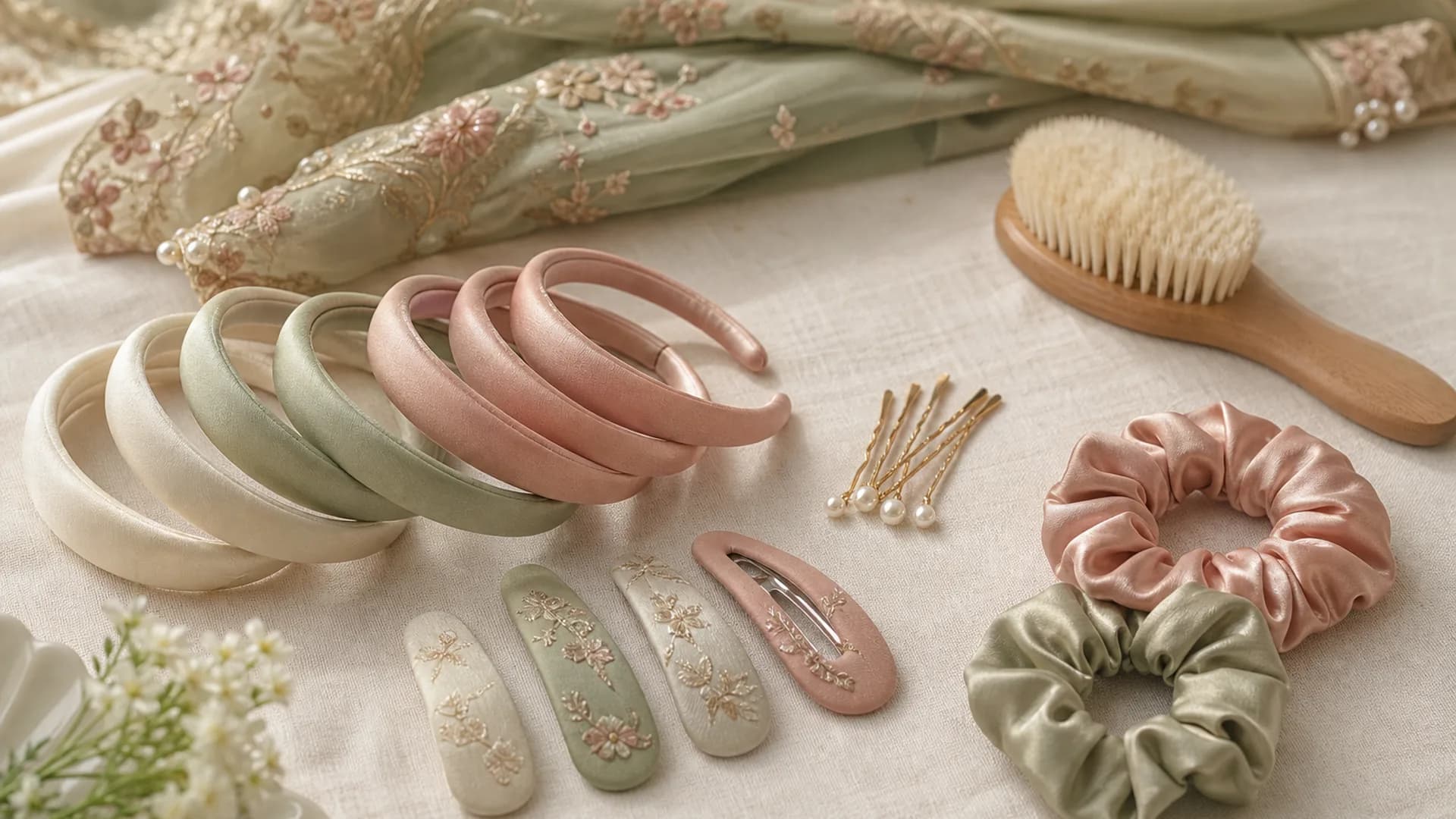
Girls' Hair for Functions: Styles That Survive
The hairstyle is done at six and gone by eight. Here is what actually survives a function, and which accessories stay in.
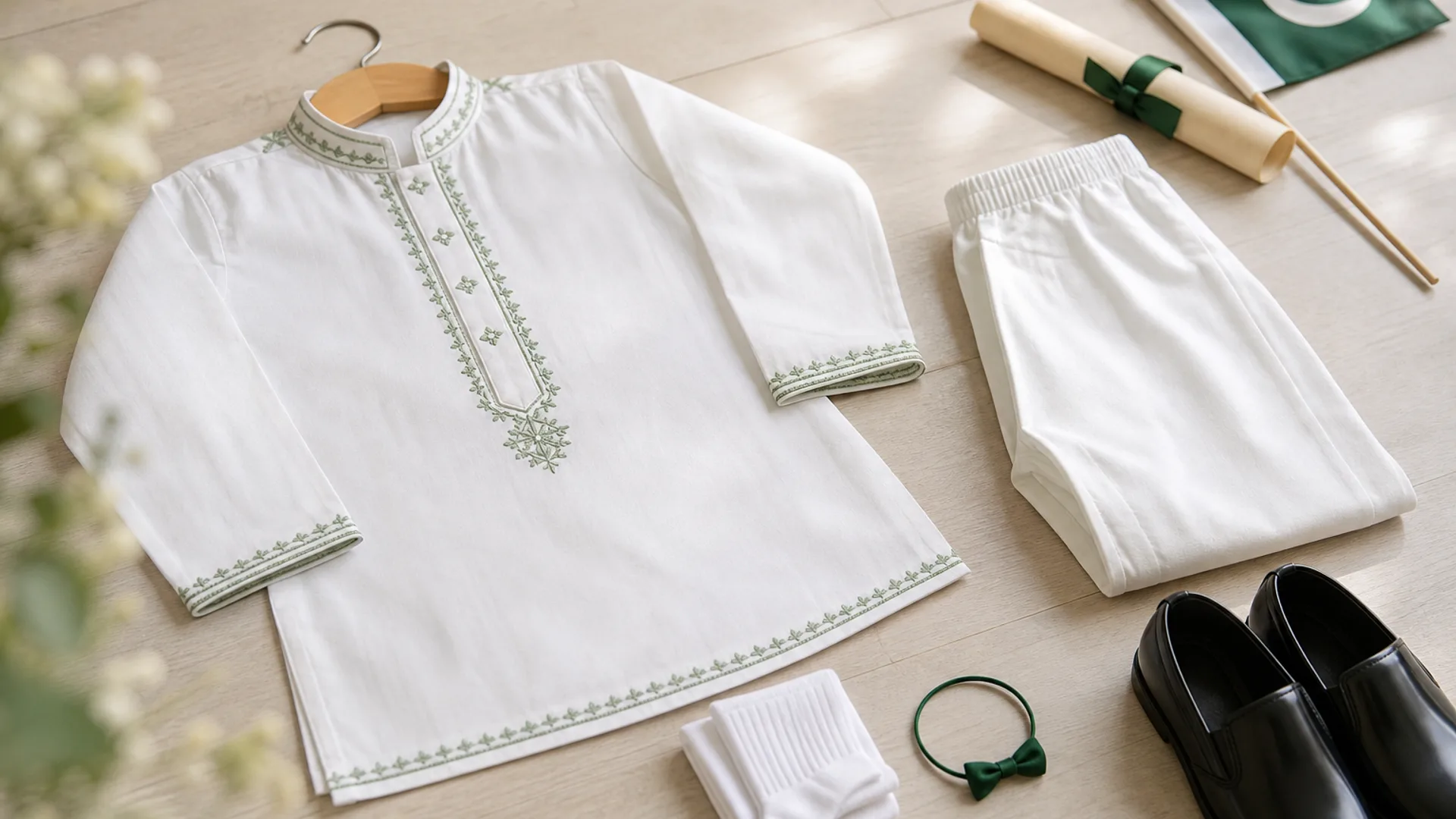
School Functions: What to Dress a Child In
School functions run long, involve a stage, and are rehearsed in the same clothes. Here is what works for each type, and what will be regretted by hour two.
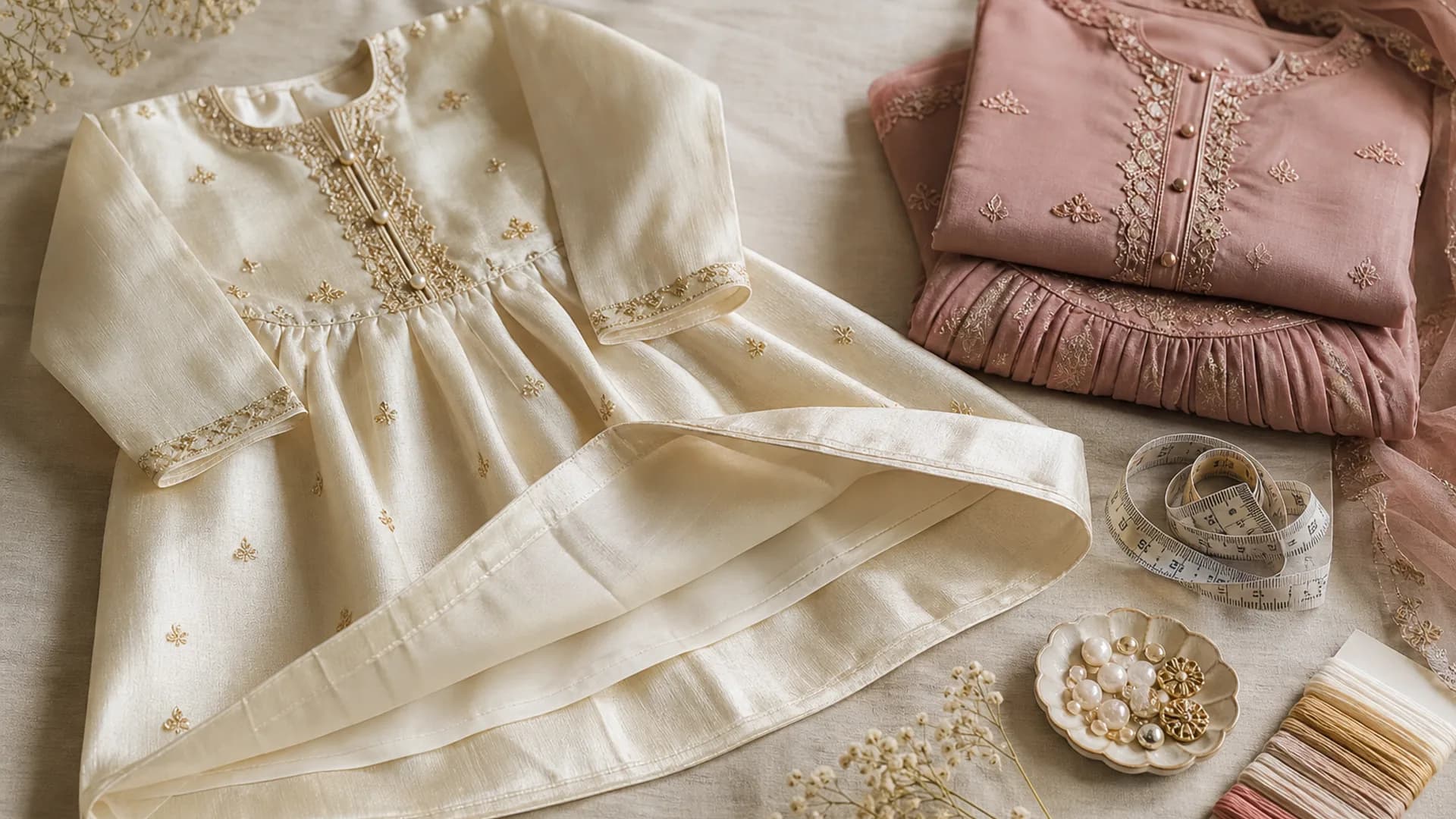
Kids' Formals That Last More Than One Season
A child's formal outfit is worn three or four times before it stops fitting. A few choices at the point of purchase double that, and none of them cost more.