

New In-20%
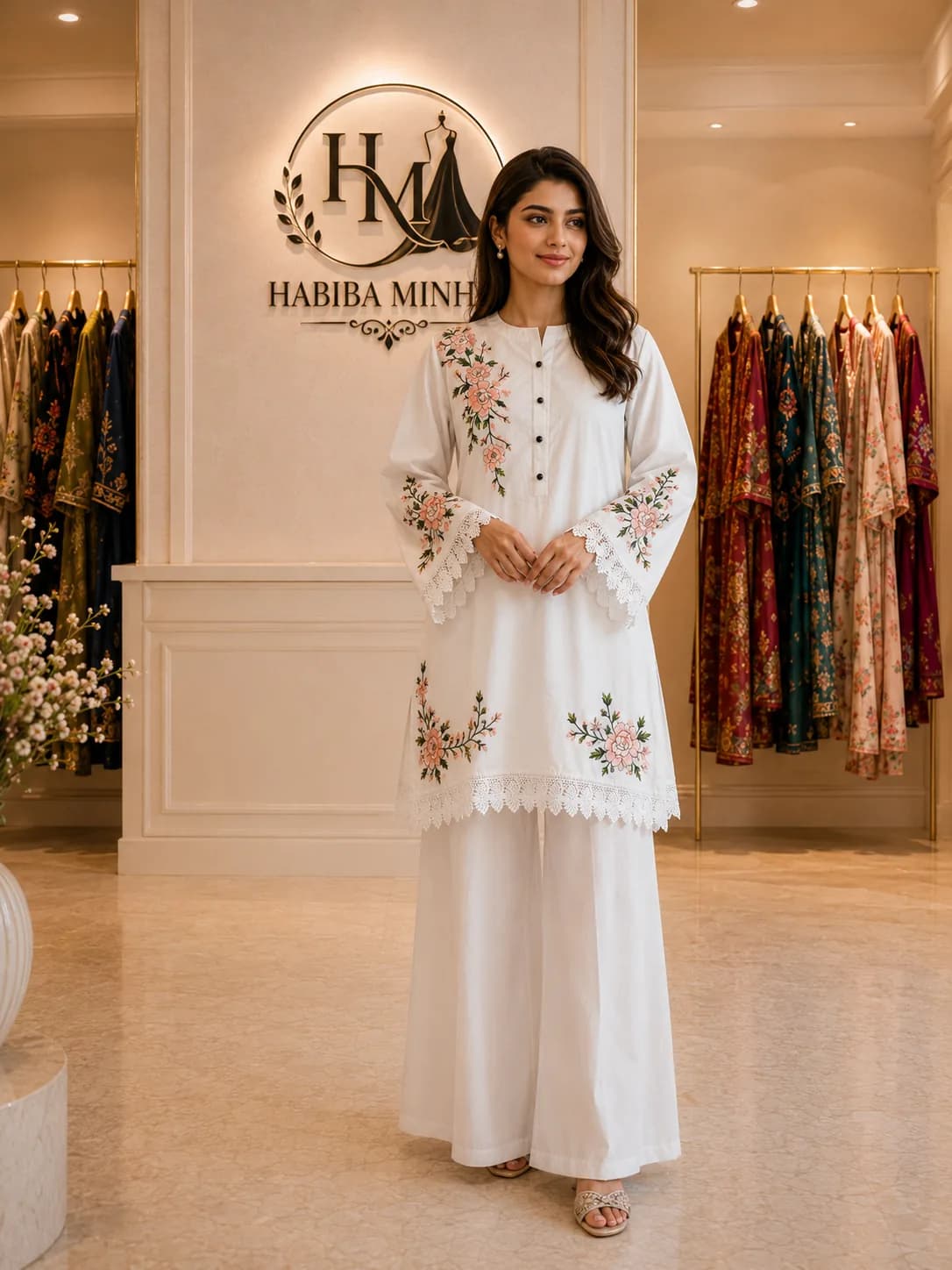
Ivory Rose – 2-Piece Stitched Lawn Suit with Embroidered Neckline and Scalloped Lace Hem
stitched-suits2-piece-suitscasual
Rs. 5,760Rs. 7,200
Casual wear in Pakistani fashion means everyday stitched suits built for real life — light breathable fabrics, wearable prints, and little to no heavy embellishment. This collection gathers ready-to-wear cotton and lawn suits from our Karachi studio, made for the office, the university campus, family visits, and ordinary afternoons at home. The difference between casual and formal Pakistani wear is not the cut, it is the weight.
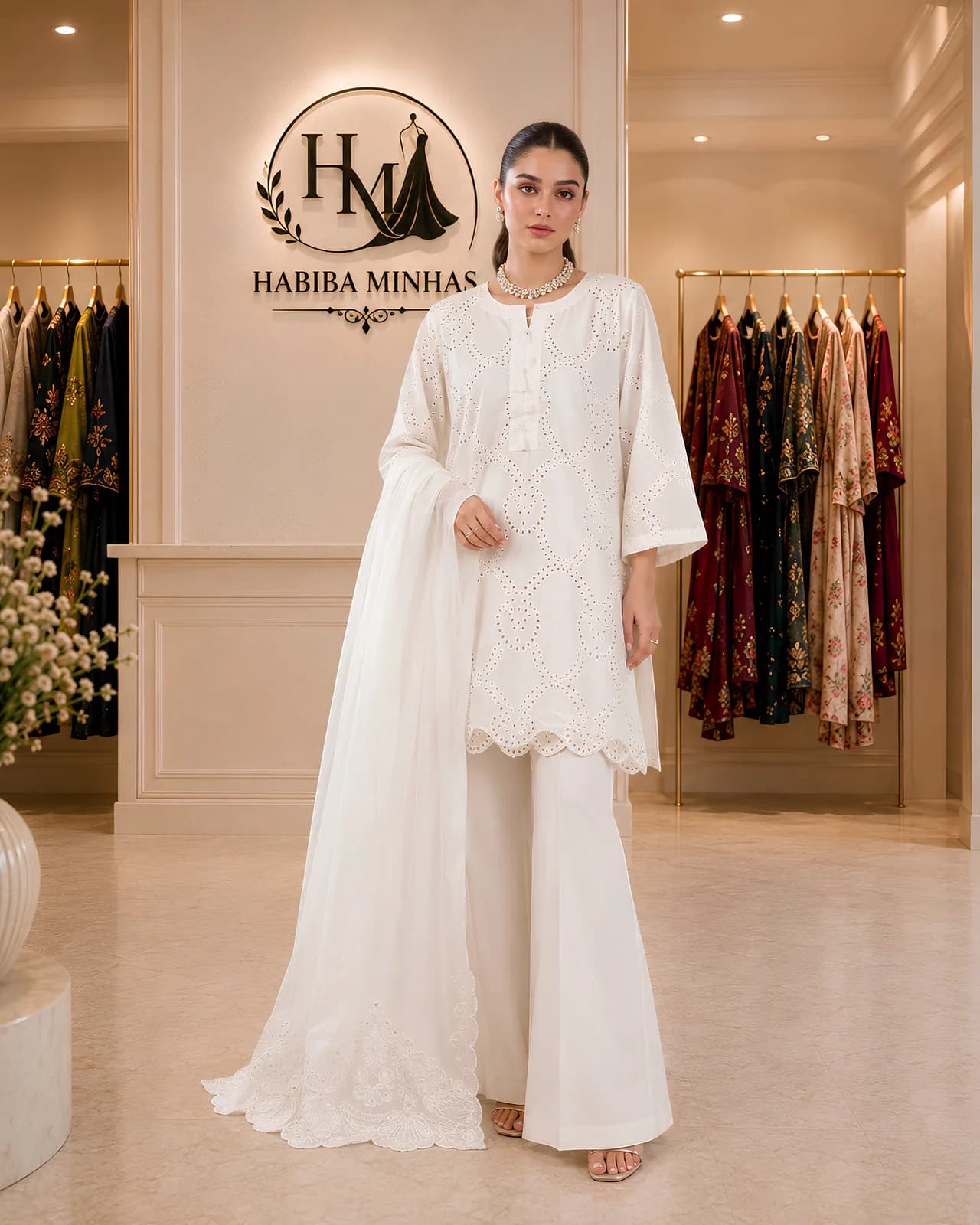
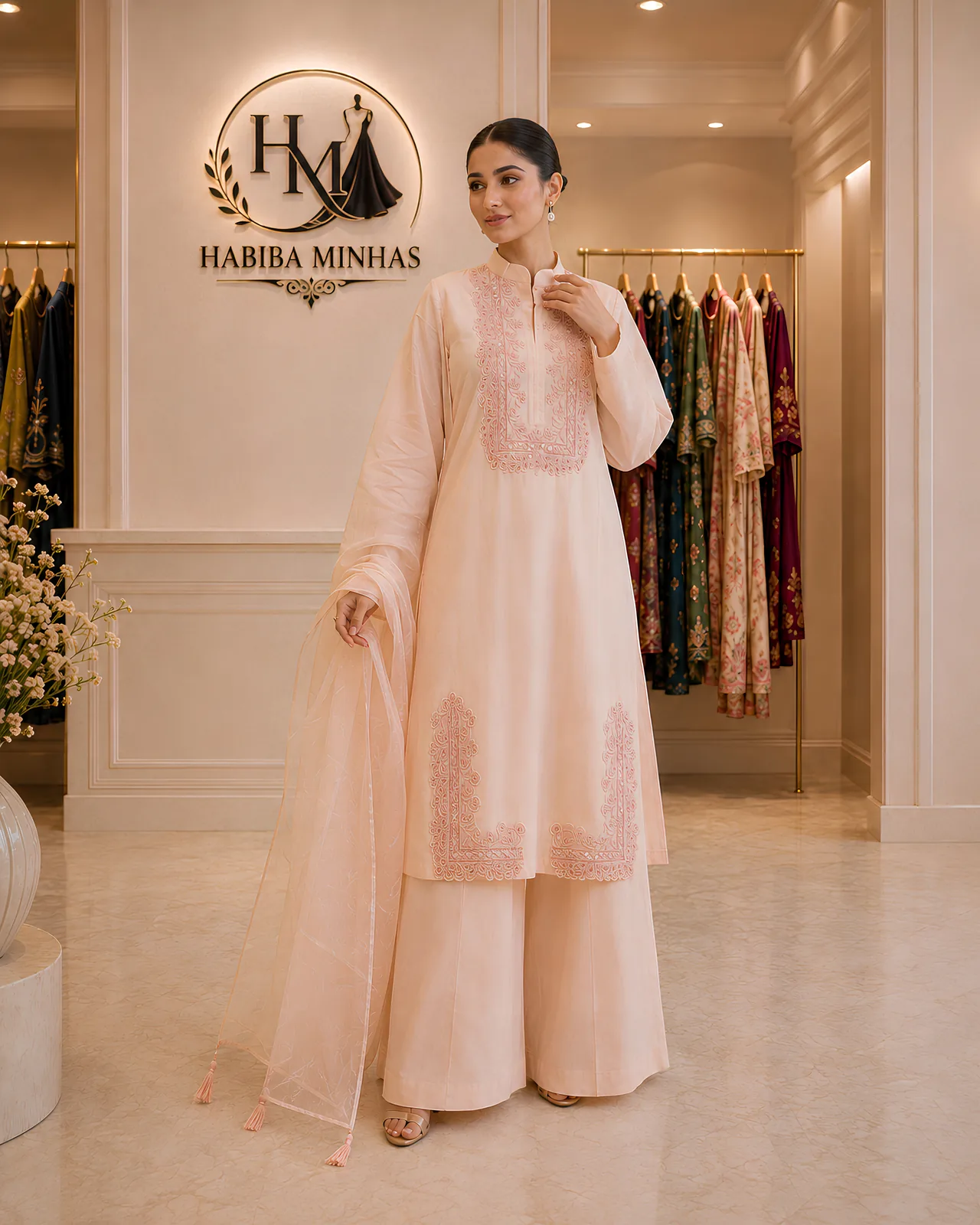
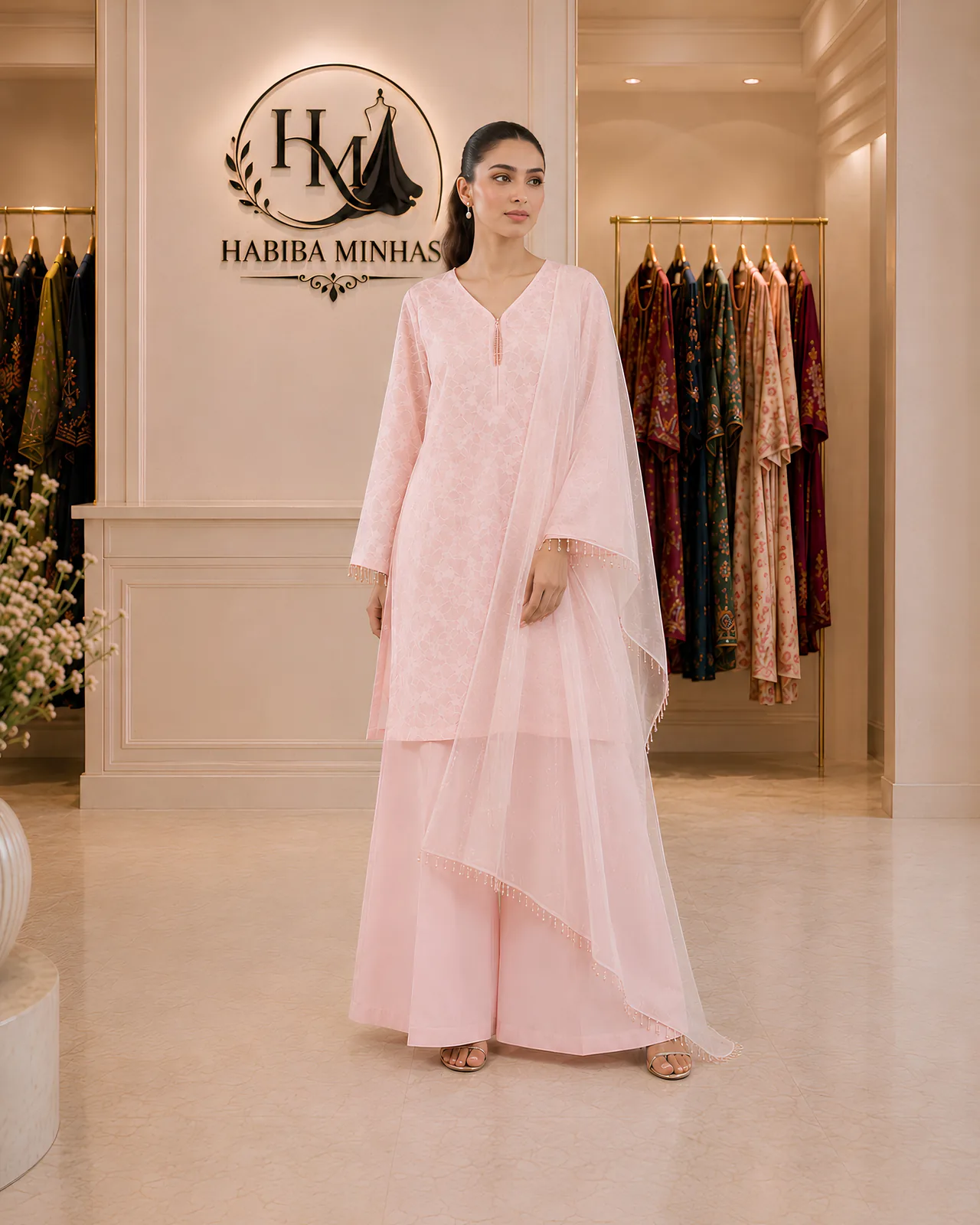
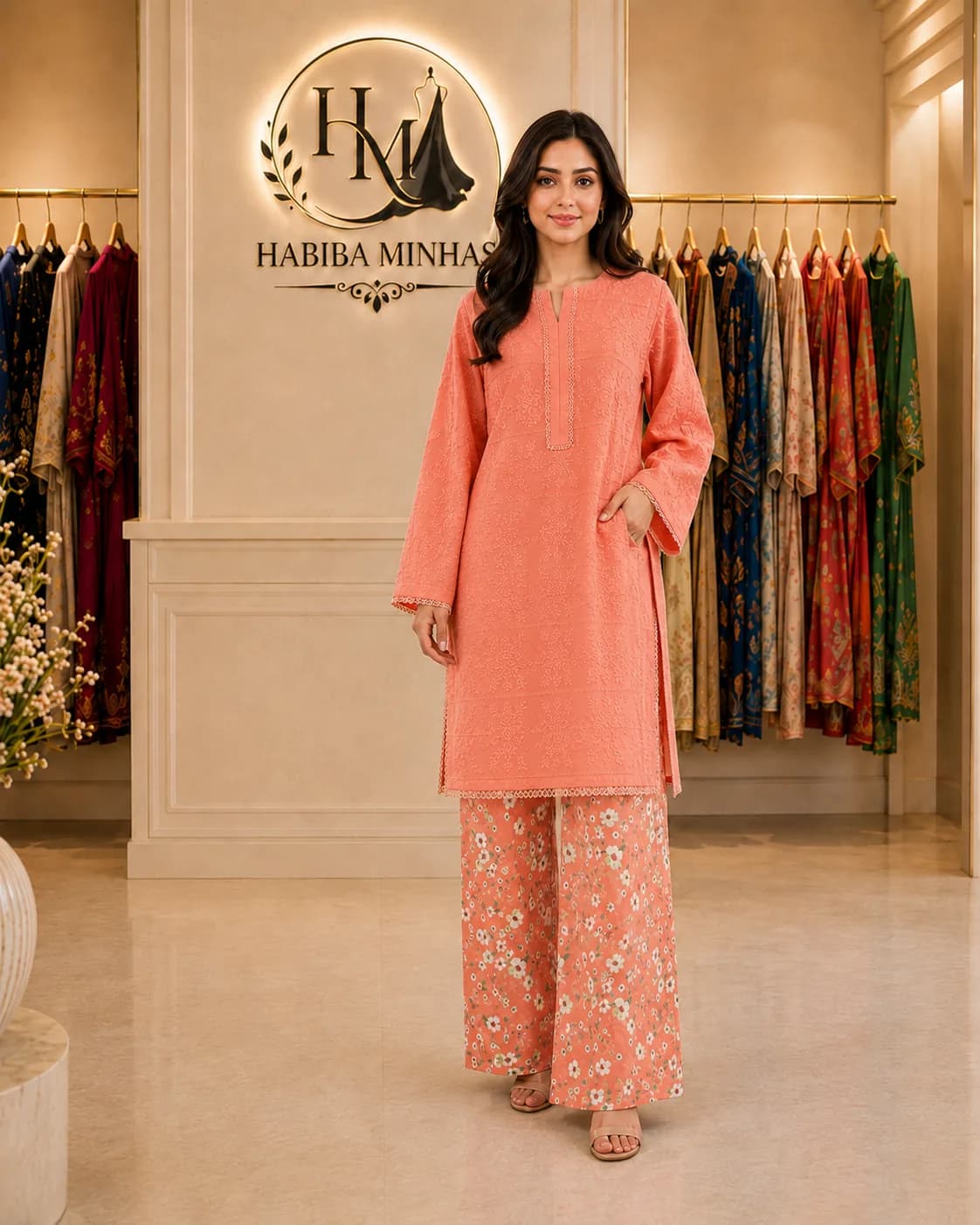
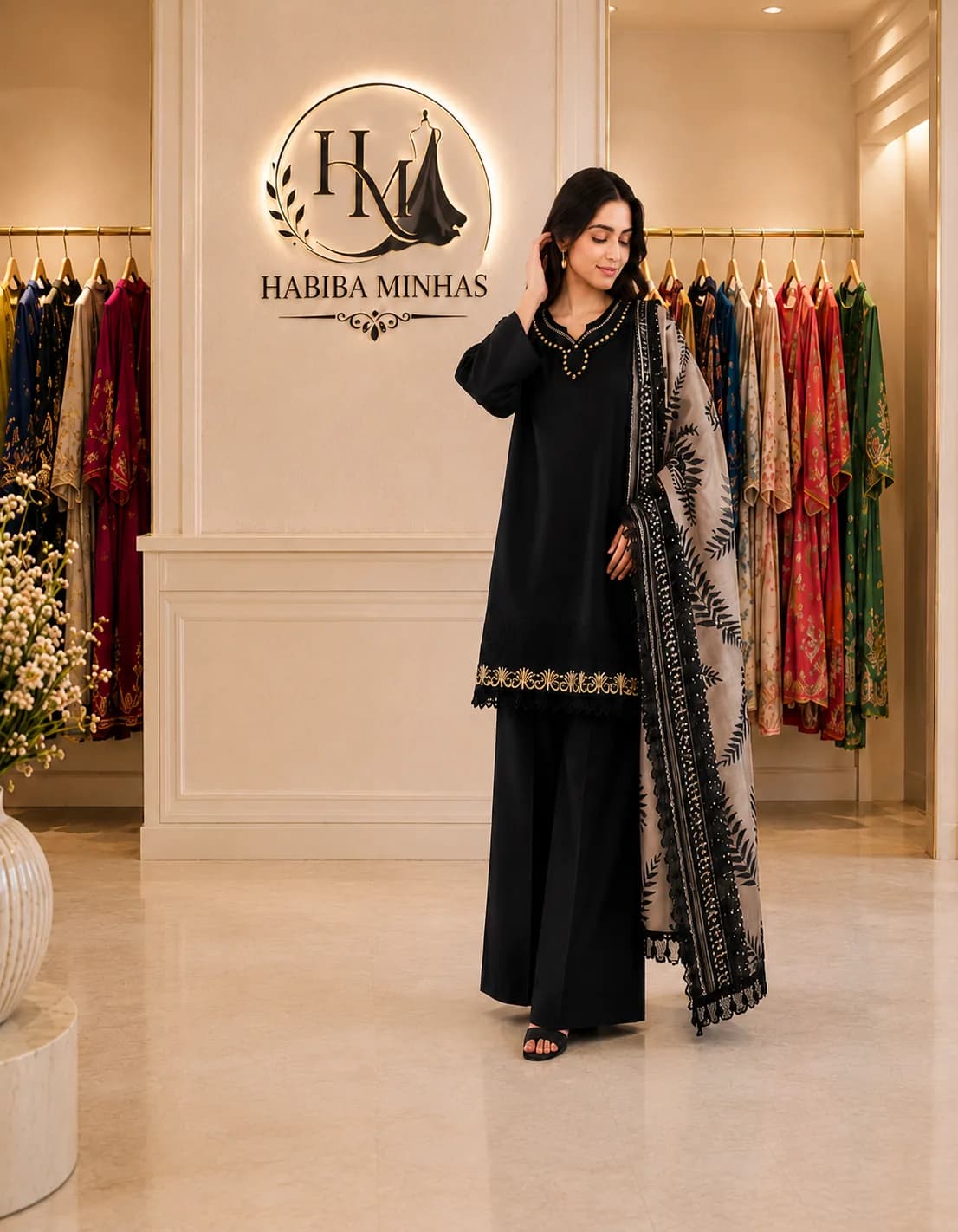
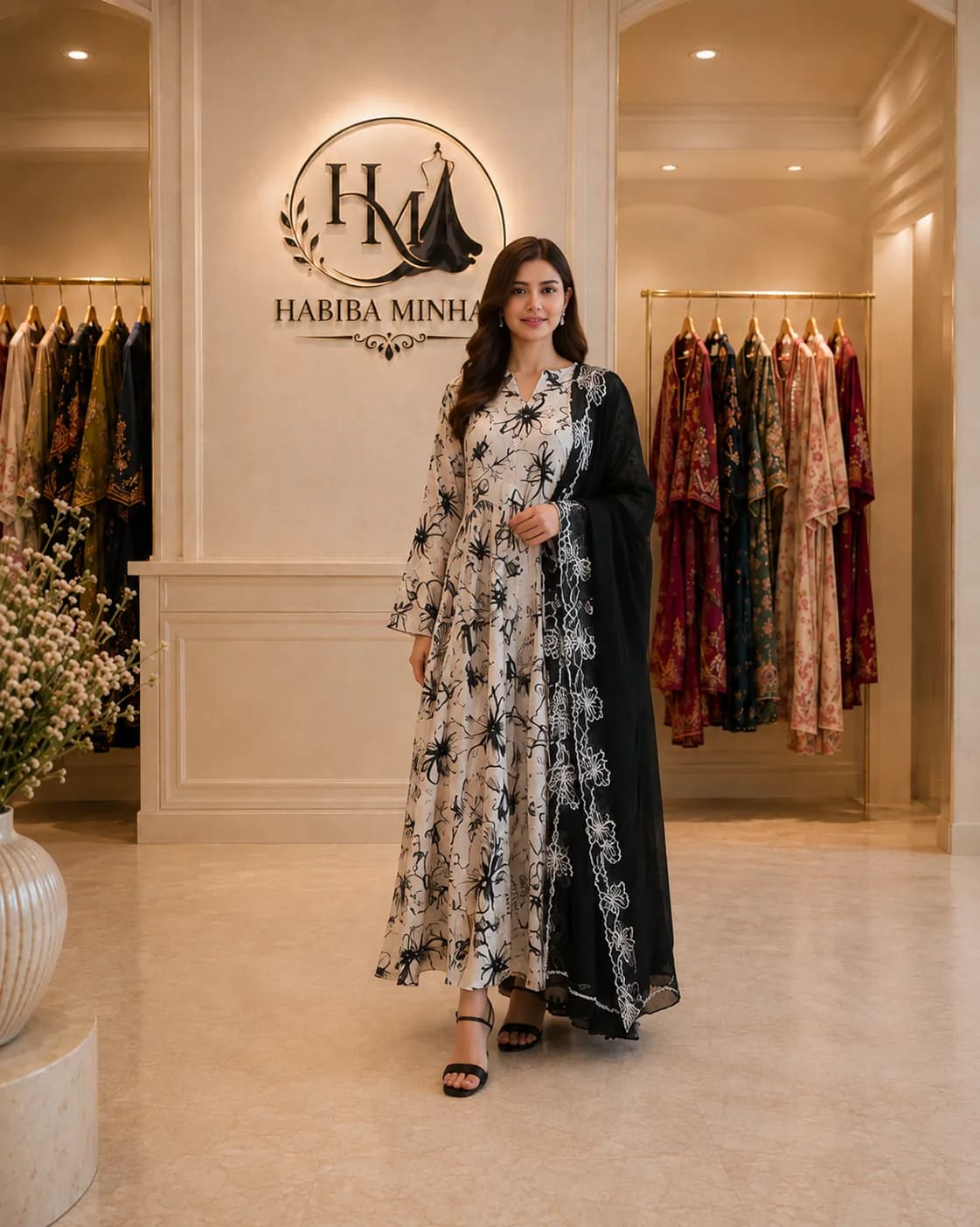
Showing 9 of 19 • 10 more
Casual wear in Pakistani fashion means everyday stitched suits built for real life — light breathable fabrics, wearable prints, and little to no heavy embellishment. This collection gathers ready-to-wear cotton and lawn suits from our Karachi studio, made for the office, the university campus, family visits, and ordinary afternoons at home.
The difference between casual and formal Pakistani wear is not the cut, it is the weight. A casual suit uses the same kameez, trouser or shalwar, and dupatta structure as a formal one, but swaps silk and organza for cotton and lawn, and replaces dense zari or sequin work with printed motifs or a simple lace trim. That makes it comfortable to wear for eight hours instead of four, and affordable enough to own several of rather than one.
Fabric choice is what makes casual wear work in Pakistan's climate. Cotton and lawn breathe in Karachi, Lahore, and Multan summers where temperatures regularly pass 40°C, they do not cling, and they can be machine washed at home instead of going to the dry cleaner after every wear. That last point matters more than it sounds — a suit you reach for weekly has to survive weekly laundering, which is exactly why this collection uses no silk.
Our casual collection includes printed cotton 3-piece suits (kameez, matching trousers, and a plain or lightly printed dupatta), 2-piece cotton sets for women who prefer to skip the dupatta, floral and geometric digital prints, and solid-colour suits finished with contrast trims. Everything here is fully stitched and ready to wear in standard Pakistani sizes, so there is no tailor visit and no two-week stitching wait.
Casual suits cover the days that make up most of the year: office and workplace wear, university and college, school pickups and errands, family lunches, morning visits to relatives, and travel. They also work for Eid morning and daytime mehndi functions, where a heavy embroidered formal suit would be uncomfortable in the heat and too much for a daytime setting. For evening weddings, barat, and walima, choose from our formal wear collection instead.
Styling casual wear rewards restraint. Flat sandals, juttis, or simple slides keep the look relaxed, while nude or tan block heels lift the same suit for an occasion. Small gold hoops, a thin bangle stack, or a plain watch are enough — particularly with a printed suit, where the fabric is already the focal point. A plain white, ivory, or tonal dupatta will calm a busy print if you want to wear it somewhere more subdued.
Care is straightforward. Machine wash cotton and lawn in cold water with like colours, skip the bleach, dry in shade so prints do not fade in direct Pakistani sun, and iron on medium heat. Chiffon or net dupattas should be pressed on low heat or steamed rather than ironed flat.
Every casual suit is made in our Karachi studio in small quantities, often a single piece per print, so designs are not restocked once they sell. Habiba Minhas ships nationwide across Pakistan including Lahore, Islamabad, Rawalpindi, Faisalabad, Multan, Peshawar, and Quetta at a flat Rs. 250, with cash on delivery available and 14-day exchanges on unworn items. Selected suits can be previewed on yourself using our Virtual Try Room before you order.
 Chat with us