

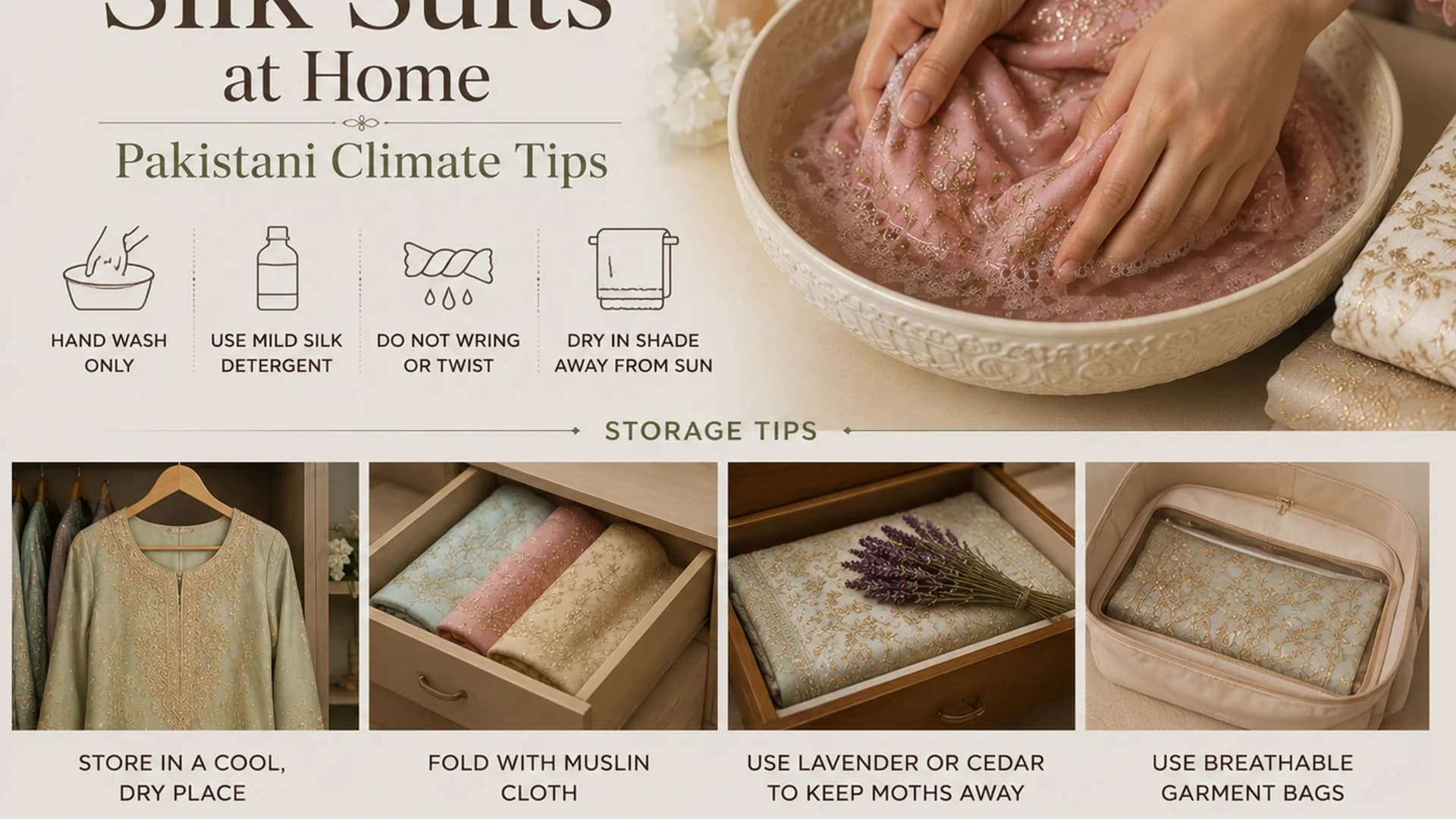
How to Care for Silk Suits at Home — Pakistani Climate Tips
Silk suits are an investment in elegance — but Pakistan's heat and humidity demand special care. From hand washing to storage, here's how to keep your silk pieces pristine through Karachi summers and monsoon months.
Silk is one of the most luxurious fabrics in Pakistani fashion — whether it's a three-piece suit for a wedding or an embroidered kameez for Eid, silk pieces deserve special care. But caring for silk in Pakistan's climate isn't the same as following generic fabric care guides. Between Karachi's humidity, Lahore's dust, and the monsoon season across the country, your silk suits face unique challenges. The good news? With the right techniques, you can keep your silk looking fresh and elegant for years. This guide covers everything from washing and drying to storage solutions specifically designed for Pakistani weather conditions.
Understanding Silk Fabric: Why Special Care Matters
Silk is a natural protein fiber produced by silkworms, and it has unique properties that make it both beautiful and delicate. The smooth surface gives silk its signature lustre, but it also means the fibers can be damaged by harsh chemicals, excessive heat, or rough handling. In Pakistan's climate, silk faces additional stress from humidity (which can cause water spots), dust (which embeds in the weave), and temperature fluctuations between air-conditioned indoors and hot outdoor environments. Understanding these vulnerabilities helps you protect your investment.
Hand Washing vs Dry Cleaning: What Works Best in Pakistan
The eternal question: should you hand wash silk or send it to the dry cleaners? In Pakistan, the answer depends on the type of silk and the embellishments on your suit.
When to Hand Wash
Plain silk suits, silk lawn pieces, and minimally embroidered kameez can usually be hand washed at home. Use cold water (never hot — it damages silk fibers), a pH-neutral detergent designed for delicates, and gentle movements. Fill a basin, submerge the suit, and swirl it gently for 2-3 minutes. Never wring or twist silk — it causes permanent creasing and fiber damage.
When to Choose Dry Cleaning
Heavy embroidery, zardozi work, mirror work, or any suit with metallic thread should go to a professional dry cleaner. These embellishments can bleed color or lose shape when wet. In cities like Karachi, Lahore, and Islamabad, look for cleaners that specialize in bridal and formal wear — they understand how to handle delicate Pakistani suits.
The Middle Ground: Spot Cleaning
For minor stains on embroidered suits, spot cleaning is your best option. Dab the stain with a clean white cloth dampened with cold water and a tiny amount of mild detergent. Never rub — blot gently and let it air dry away from direct sunlight.
Drying Silk Suits: Navigating Karachi's Humidity
Drying silk in Pakistan's humid climate requires strategy. Karachi's coastal humidity, Lahore's summer heat, and monsoon season moisture all affect how silk dries — and improper drying causes water spots, mildew, and fabric stiffness.
- Never use a dryer — the heat damages silk fibers and causes shrinkage
- Don't hang wet silk in direct sunlight — UV rays fade colors and weaken fibers
- Lay the suit flat on a clean towel, reshape it gently, and roll the towel to absorb excess water
- Hang to dry in a shaded, well-ventilated area — near a fan or in an air-conditioned room works best
- In monsoon season, use a dehumidifier or air conditioner to speed drying and prevent mildew
Ironing & Steaming: How to Remove Wrinkles Without Damage
Silk wrinkles easily, but it also smooths beautifully with the right technique. The key is low heat and protection.
✅ Do:
- Turn the suit inside out before ironing to protect the color and finish
- Set your iron to the lowest heat setting (silk/delicate mode)
- Use a pressing cloth (a clean cotton pillowcase works perfectly) between the iron and silk
- Iron while the fabric is still slightly damp for easier wrinkle removal
- Use a handheld steamer as a gentler alternative — keep it 6 inches away from the fabric
❌ Don't:
- Never iron embroidery directly — it flattens the work and can scorch metallic threads
- Don't use steam on silk with water-based dyes — it can cause color bleeding
- Avoid leaving the iron in one spot — keep it moving to prevent scorch marks
- Don't iron over stains — heat sets stains permanently
Storage Solutions for Pakistan's Climate
Proper storage is critical in Pakistan, where humidity, dust, and insects pose constant threats to silk. Follow these storage rules to keep your suits pristine between wears.
Short-Term Storage (Between Wears)
Hang silk suits on padded hangers — wire hangers create shoulder marks that are difficult to remove. Use a breathable garment bag (cotton or muslin, not plastic) to protect from dust while allowing air circulation. Store in a cool, dry closet away from direct sunlight. In Karachi's humidity, add silica gel packets to your closet to absorb moisture.
Long-Term Storage (Seasonal)
Clean the suit before storing (dirt and body oils attract insects and cause yellowing). Wrap in acid-free tissue paper, then store in a breathable cotton bag. Add natural moth repellents like neem leaves or cedar balls — avoid mothballs, which have a strong odor that clings to silk. Store in a cool, dark place. If you live in a particularly humid area, consider storing silk suits in an air-conditioned room during monsoon season.
What to Avoid
Never store silk in plastic bags or airtight containers — trapped moisture causes mildew. Don't store silk folded for long periods — it creates permanent creases. Avoid storing near windows or in direct sunlight, which fades colors over time.
Dealing with Common Silk Problems in Pakistan
Even with careful handling, silk can develop issues. Here's how to address the most common problems Pakistani women face with silk suits.
- Water spots from humidity: Lightly mist the entire garment with distilled water and let it air dry — this evens out the water distribution and eliminates spots
- Yellowing from age or storage: Professional restoration is best, but sunning the suit in indirect light for 30 minutes can help (never direct sun)
- Musty odor from monsoon storage: Air the suit outdoors in shade on a dry, breezy day — fresh air removes most odors
- Insect damage (small holes): Take to a professional tailor who can reweave small areas — prevention is better than cure, so always use moth repellent
Frequently Asked Questions
We strongly advise against machine washing silk suits, even on delicate cycles. The agitation can damage silk fibers, cause color bleeding, and ruin embellishments. Hand washing or professional dry cleaning are much safer options for preserving your silk investment.
Only dry clean when necessary — after every 3-4 wears, or when visibly soiled. Excessive dry cleaning weakens silk fibers over time. Between cleanings, air out your suits and use spot cleaning for minor stains.
Apply perfume before putting on your silk suit, never directly onto the fabric. If you already have a perfume stain, blot (don't rub) with a cloth dampened with cold water and a drop of mild detergent. For stubborn stains, professional dry cleaning is safest.
Store suits in breathable cotton garment bags with silica gel packets to absorb moisture. Keep your closet well-ventilated, use a dehumidifier if possible, and check stored suits every few weeks for signs of mildew. Never store damp silk — always ensure suits are completely dry before putting them away.
Regular detergent is too harsh for silk — it contains enzymes and chemicals that break down natural protein fibers. Use a pH-neutral detergent specifically designed for delicates or silk. Baby shampoo is a good household alternative in a pinch.
Yes, but with caution. Keep the steamer 6 inches away from the fabric and never steam directly over heavy embroidery or metallic work. Test on an inconspicuous area first. For heavily embroidered pieces, professional pressing is safer.
Look for brands that provide detailed fabric and care information with their products. At Habiba Minhas, every silk suit comes with specific care instructions tailored to Pakistani climate conditions. Shop our silk collection for pieces designed to last.
Final Thoughts: Silk Care as an Investment
Caring for silk suits properly isn't just about maintaining appearances — it's about protecting an investment. A well-cared-for silk suit can last decades, becoming a cherished piece you wear to special occasions year after year. In Pakistan's challenging climate, extra care pays off. Whether you're preserving a bridal outfit, protecting your Eid collection, or maintaining everyday formal wear, these techniques ensure your silk stays soft, lustrous, and beautiful. For more fabric care guides, explore our linen care notes and browse our collection of handcrafted silk suits designed for Pakistani women.
About the Author
Habiba Minhas
Founder and creative director of Habiba Minhas, Pakistan's leading handcrafted fashion brand based in Karachi. With a passion for preserving traditional Pakistani craftsmanship while embracing modern design, she has built a brand serving over 5,000 customers nationwide.
Specializing in premium ladies suits, kids festive wear, and baby products, Habiba works directly with artisan embroiderers and skilled tailors to create pieces that honor Pakistani heritage.
Related Articles
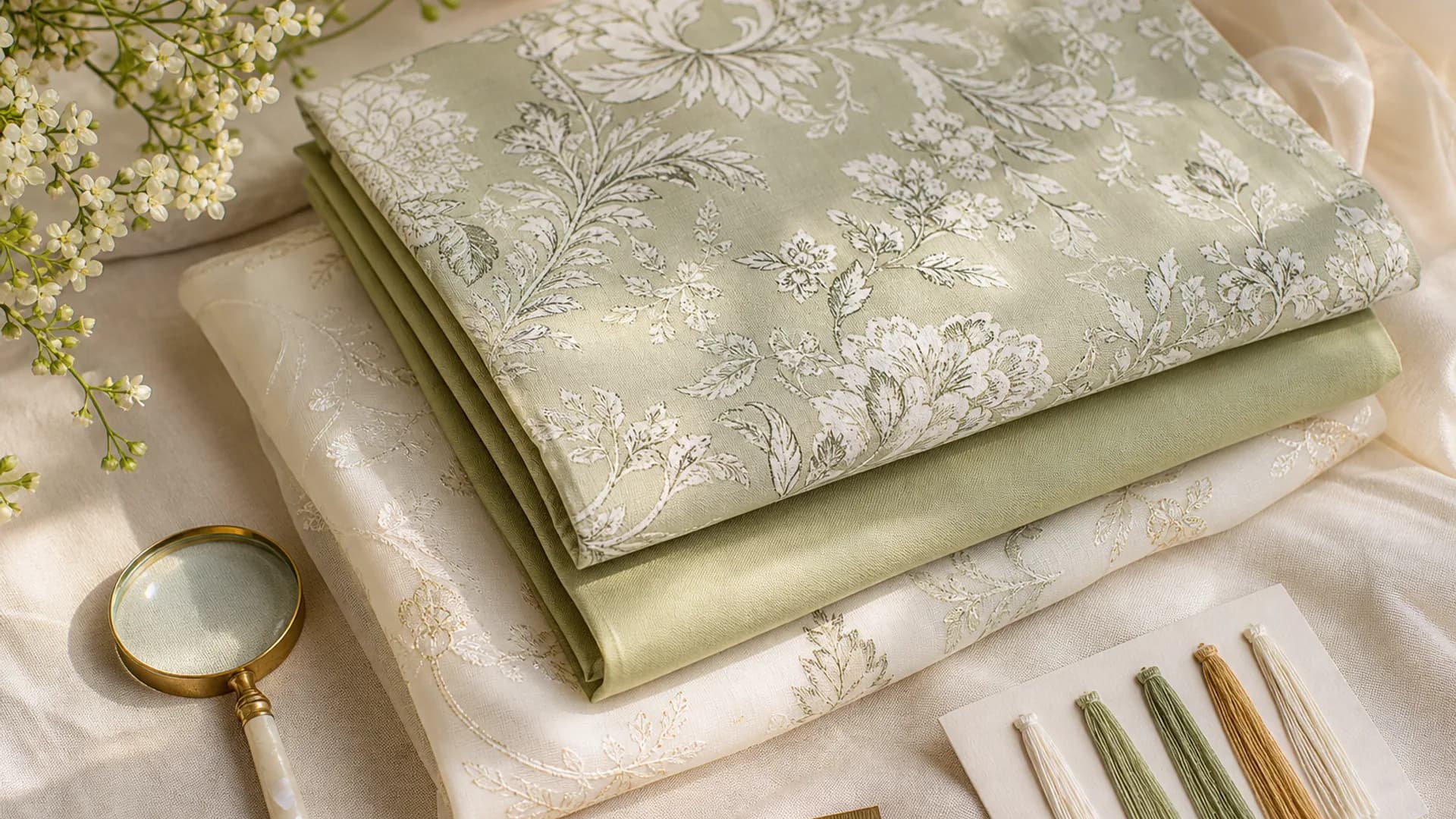
Lawn Season: How to Buy Lawn Actually Well
Lawn season is the one shopping event the whole country takes part in, and most of it is bought in a rush on a phone. Here is how to judge what you are buying.
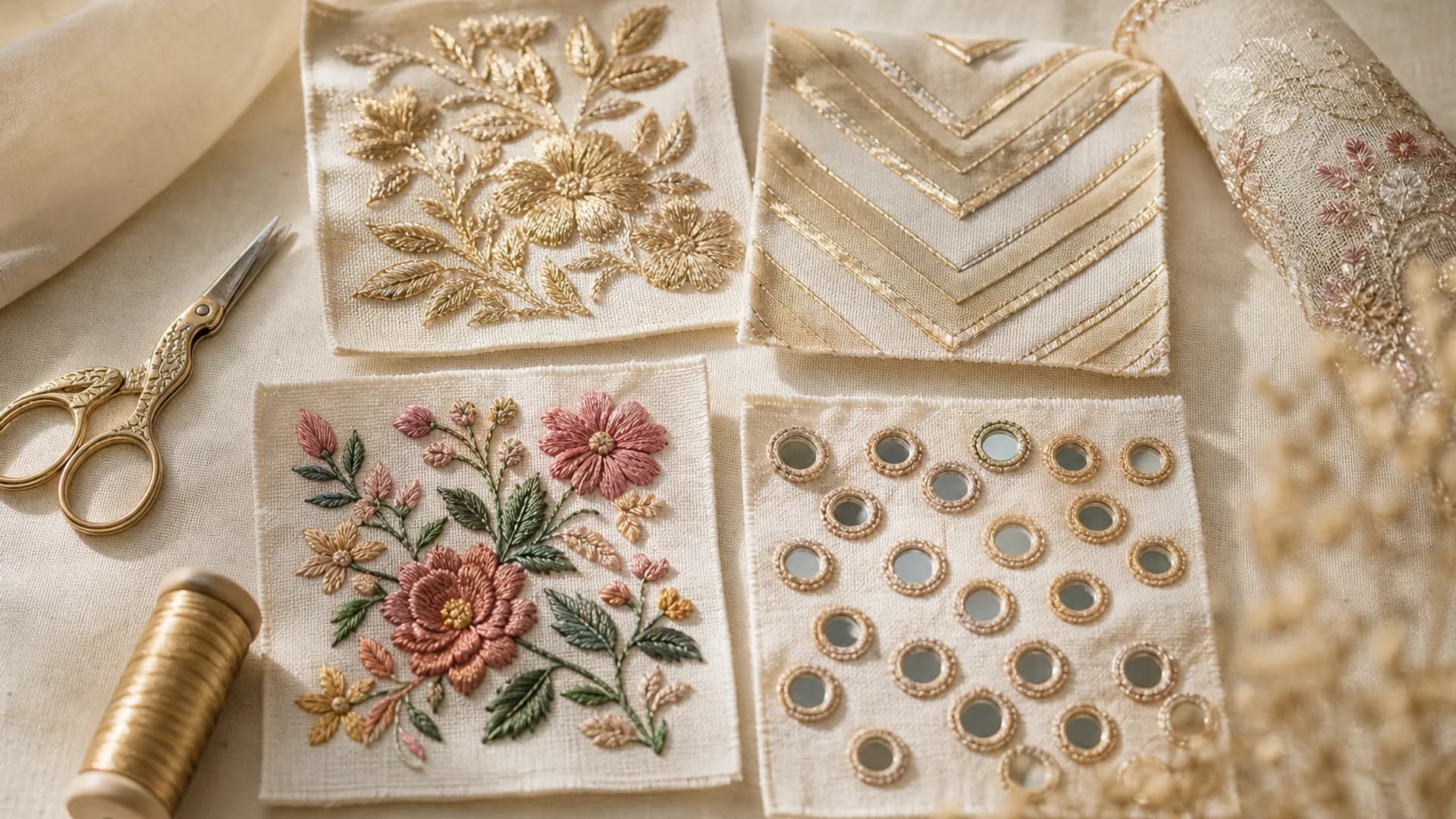
Zari, Gota, Resham: Embroidery Types Explained
Every formal suit is described with a list of embroidery names, and almost nobody knows what they mean. Here is what each one is, and how it behaves.
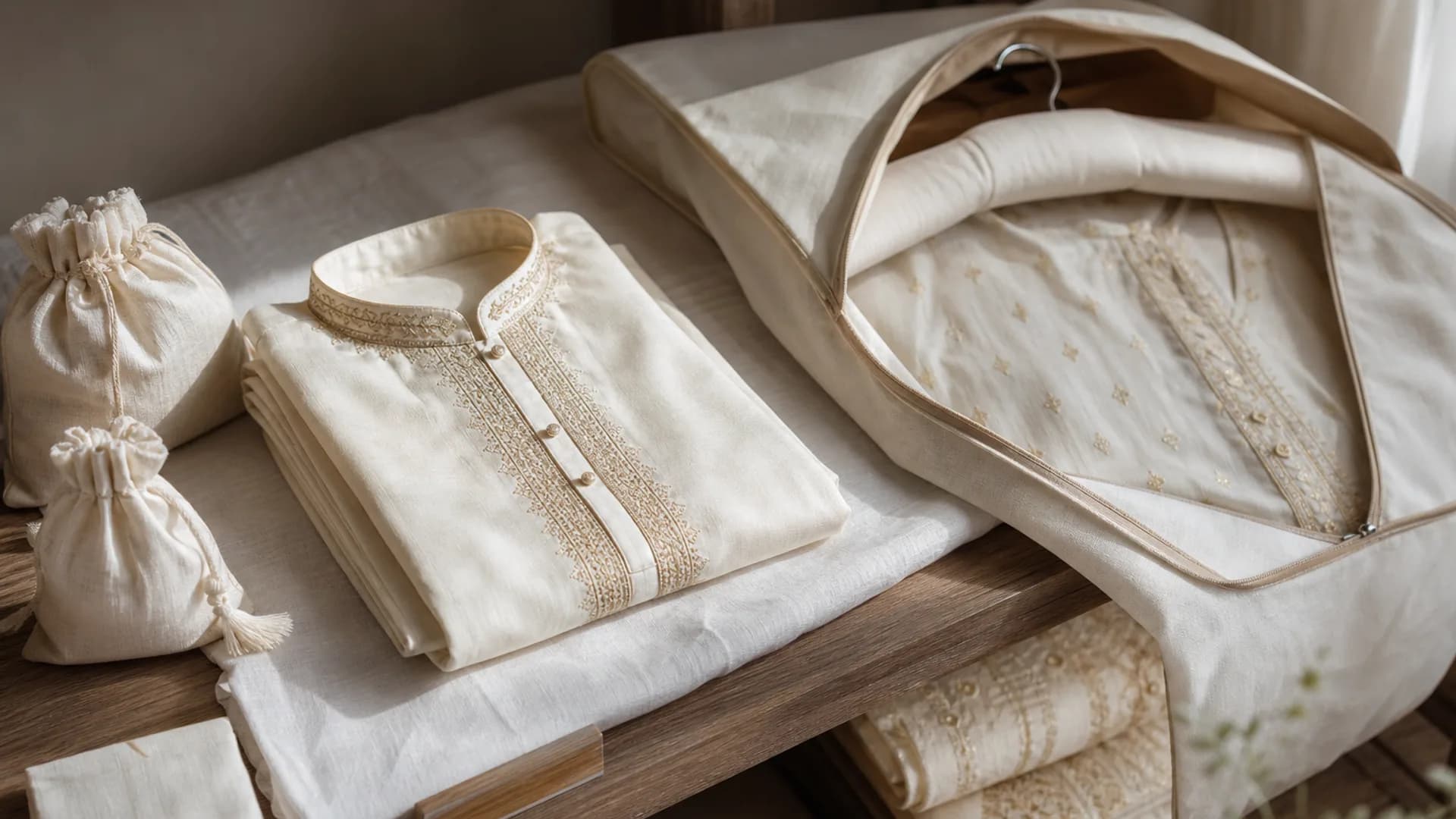
How to Store Formal Suits So They Last Years
A formal suit spends most of its life in a cupboard, and that is where most of them are ruined — not by wearing but by waiting.