

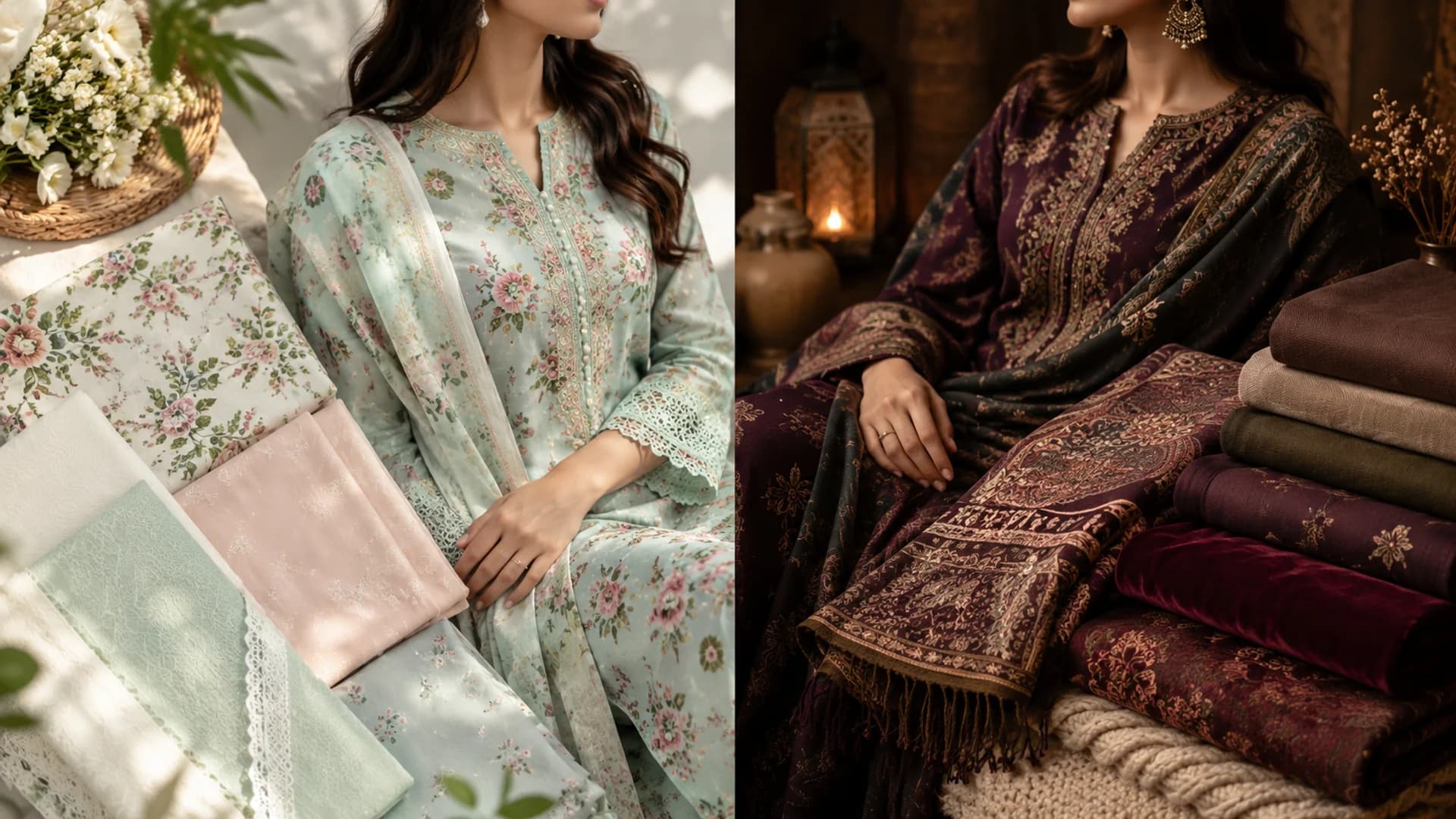
Summer vs Winter Fabric Guide for Pakistani Women
Choosing the right fabric for the season makes all the difference in comfort and style. Here's your complete guide to summer vs winter fabrics for Pakistani clothing — what works, what doesn't, and why.
Pakistan has extreme seasonal variation — Karachi summers hit 40°C with high humidity, while Lahore and northern cities drop to single digits in winter. Wearing the wrong fabric in the wrong season isn't just uncomfortable; it can make you look out of place and feel miserable. A heavy khaddar suit in June? You'll be drenched in sweat. A lightweight lawn suit in December? You'll freeze at every outdoor wedding. Understanding seasonal fabrics is one of the most practical wardrobe skills you can develop. This guide breaks down the best fabrics for Pakistani summers and winters, the fabrics that work year-round, and how to choose based on where you live and what you're doing.
Summer Fabrics (March to September)
Pakistani summers are long, hot, and often humid (especially in Karachi and southern regions). You need fabrics that breathe, wick moisture, and don't cling to your body.
Lawn — The Summer Staple
Lawn is the undisputed queen of Pakistani summer wear. It's a fine, lightweight cotton weave with a slightly crisp hand. Lawn is breathable, absorbs sweat, dries quickly, and comes in endless prints and colors. It's perfect for everyday wear, casual outings, and even semi-formal summer events.
Best for
Daily wear, errands, casual lunches, Eid (for daytime), summer weddings (mehndis and morning events).
Care tips
Machine washable, but hand wash printed lawn to preserve colors. Iron on medium heat. Lawn wrinkles easily, which is part of its charm.
Linen — The Luxury Summer Choice
Linen is cooler than lawn, more textured, and has a relaxed, slightly rumpled elegance. It's made from flax fibers, which are naturally moisture-wicking and breathable. Linen suits work for both casual and formal summer occasions, and they age beautifully — the more you wear them, the softer they become.
Best for
Upscale casual wear, summer dinners, daytime formal events, travel (linen packs well and doesn't need ironing).
Drawbacks
Linen wrinkles — a lot. If that bothers you, skip it. If you embrace the texture, linen is unbeatable in summer.
Chiffon & Georgette — Summer Formals
Chiffon and georgette are lightweight, semi-sheer fabrics often used for dupattas and formal suits. They drape beautifully and add movement to an outfit. While not as breathable as lawn or linen, they're light enough for evening summer events and air-conditioned indoor functions.
Best for
Summer weddings (evening events), formal dinners, Eid parties. Pair chiffon dupattas with lawn or silk bases.
Cotton & Cambric — Everyday Comfort
Pure cotton and cambric (a slightly finer cotton weave) are excellent for summer. They're soft, breathable, and easy to care for. Cambric is often used for unstitched suits and has a slight sheen that makes it dressier than plain cotton.
Best for
Daily wear, home wear, casual outings, summer office wear.
Winter Fabrics (November to February)
Winter in Pakistan varies dramatically by region. Karachi stays mild, while Lahore, Islamabad, and northern cities get genuinely cold. You need fabrics with warmth, weight, and texture.
Khaddar — The Winter Workhorse
Khaddar is a thick, textured cotton fabric with a slightly coarse weave. It's warm without being heavy, holds embroidery beautifully, and has a rustic, artisan quality that feels distinctly Pakistani. Khaddar is the go-to fabric for winter suits, both casual and formal.
Best for
Everyday winter wear, office wear, casual dinners, semi-formal events. Khaddar with embroidery works for winter weddings.
Care tips
Hand wash or dry clean embroidered pieces. Khaddar softens with wear but holds its structure.
Velvet — The Luxury Winter Fabric
Velvet is rich, warm, and deeply luxurious. It has a soft pile that catches light beautifully and works particularly well with embroidery (zardozi, dabka, gold work). Velvet is heavy, so it's best for formal winter events where you won't be moving around too much.
Best for
Winter weddings (barat, walima), formal dinners, Eid ul Adha (if it falls in winter), evening receptions.
Drawbacks
Velvet is warm — too warm for mild winters or heated indoor venues. It also shows wear (the pile can flatten over time).
Wool & Pashmina — Northern Winter Essentials
Wool and pashmina are rarely used for full suits in Pakistan but are essential for shawls, dupattas, and layering pieces in northern regions. A pashmina shawl over a silk suit is a classic winter wedding look.
Best for
Layering over formal suits, outdoor winter events, travel to colder regions.
Silk — The Year-Round Formal
Silk is technically a year-round fabric, but it shines in cooler months. Silk has natural temperature-regulating properties — it keeps you cool in moderate heat and retains warmth in cooler weather. It's the default choice for formal wear across all seasons.
Best for
Weddings (year-round), formal dinners, Eid, semi-formal events. Pair with lighter dupattas in summer, heavier ones in winter.
Fabrics to Avoid by Season
- Summer: Avoid khaddar, velvet, wool, heavy brocade — you'll overheat.
- Winter: Avoid lawn (too thin), chiffon without layering, pure linen (unless you're in Karachi's mild winter).
- Year-round mistakes: Cheap synthetics that don't breathe, overly stiff fabrics that don't drape, anything that wrinkles beyond repair.
How to Choose Fabric by City
Karachi
Hot and humid year-round. Prioritize lawn, linen, cotton, and lightweight chiffon. Winter barely exists — you can wear silk and light khaddar in December/January.
Lahore & Islamabad
Extreme seasons. Stock both summer (lawn, linen) and winter (khaddar, velvet) wardrobes. Transition fabrics like silk and georgette work in spring and autumn.
Northern Areas (Gilgit, Murree, Swat)
Summers are mild, winters are cold. You can wear khaddar year-round. Velvet, wool, and pashmina are winter essentials.
Building a Seasonal Wardrobe
If you're starting from scratch, here's a practical seasonal fabric plan:
- Summer: 2-3 lawn suits (everyday), 1 linen suit (upscale casual), 1 silk suit (formal).
- Winter: 2 khaddar suits (everyday/office), 1 velvet or heavy silk suit (formal).
- Year-round: 1-2 silk suits that work across seasons with different styling.
Frequently Asked Questions
Lawn is the best all-around summer fabric — breathable, affordable, and versatile. Linen is the luxury choice for those who don't mind wrinkles. Avoid khaddar, velvet, and heavy silks in summer.
Yes, silk is technically wearable year-round because it regulates temperature. However, heavy silk suits can be uncomfortable in extreme summer heat. Choose lightweight silk or save silk for evening events and air-conditioned venues.
Velvet or heavy silk with embroidery are the best choices for winter weddings in Lahore. If the event is outdoors, add a pashmina shawl. Khaddar works for daytime or semi-formal winter weddings.
Khaddar is primarily a winter fabric, but lighter khaddar weaves can work in cooler regions or transition seasons (October, March). Avoid it in summer — it's too warm and doesn't breathe like lawn or linen.
About the Author
Habiba Minhas
Founder and creative director of Habiba Minhas, Pakistan's leading handcrafted fashion brand based in Karachi. With a passion for preserving traditional Pakistani craftsmanship while embracing modern design, she has built a brand serving over 5,000 customers nationwide.
Specializing in premium ladies suits, kids festive wear, and baby products, Habiba works directly with artisan embroiderers and skilled tailors to create pieces that honor Pakistani heritage.
Related Articles
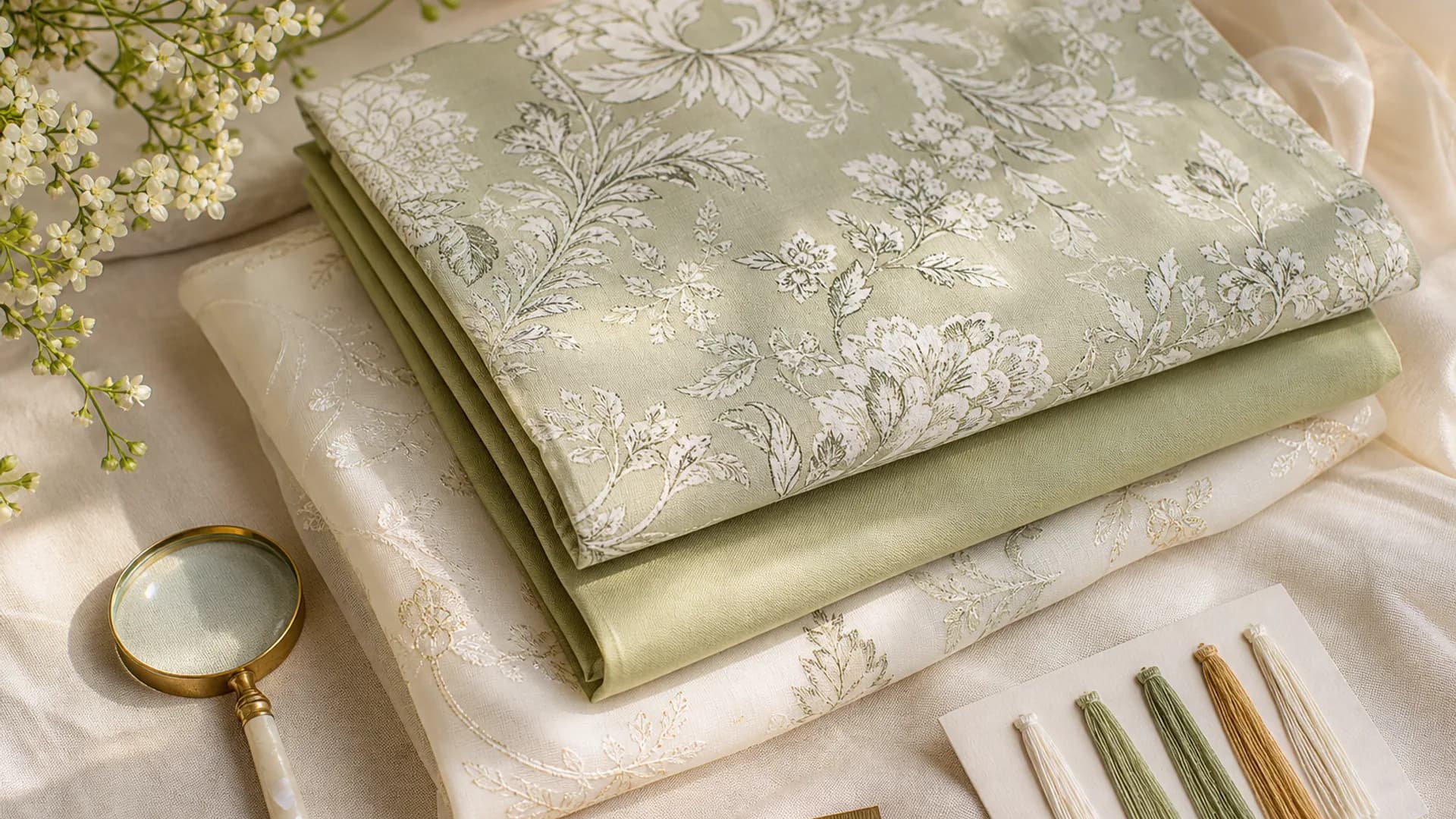
Lawn Season: How to Buy Lawn Actually Well
Lawn season is the one shopping event the whole country takes part in, and most of it is bought in a rush on a phone. Here is how to judge what you are buying.
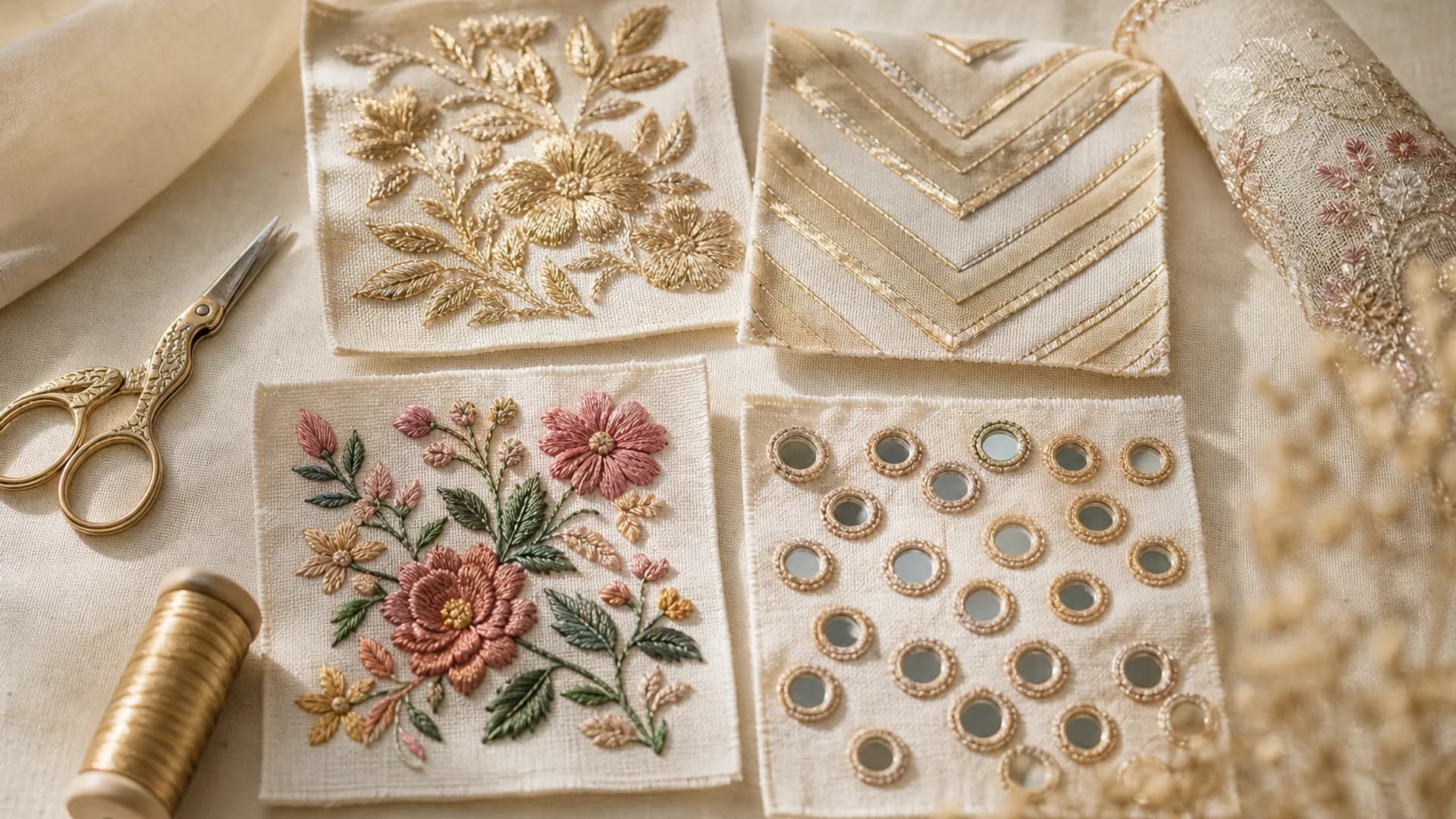
Zari, Gota, Resham: Embroidery Types Explained
Every formal suit is described with a list of embroidery names, and almost nobody knows what they mean. Here is what each one is, and how it behaves.
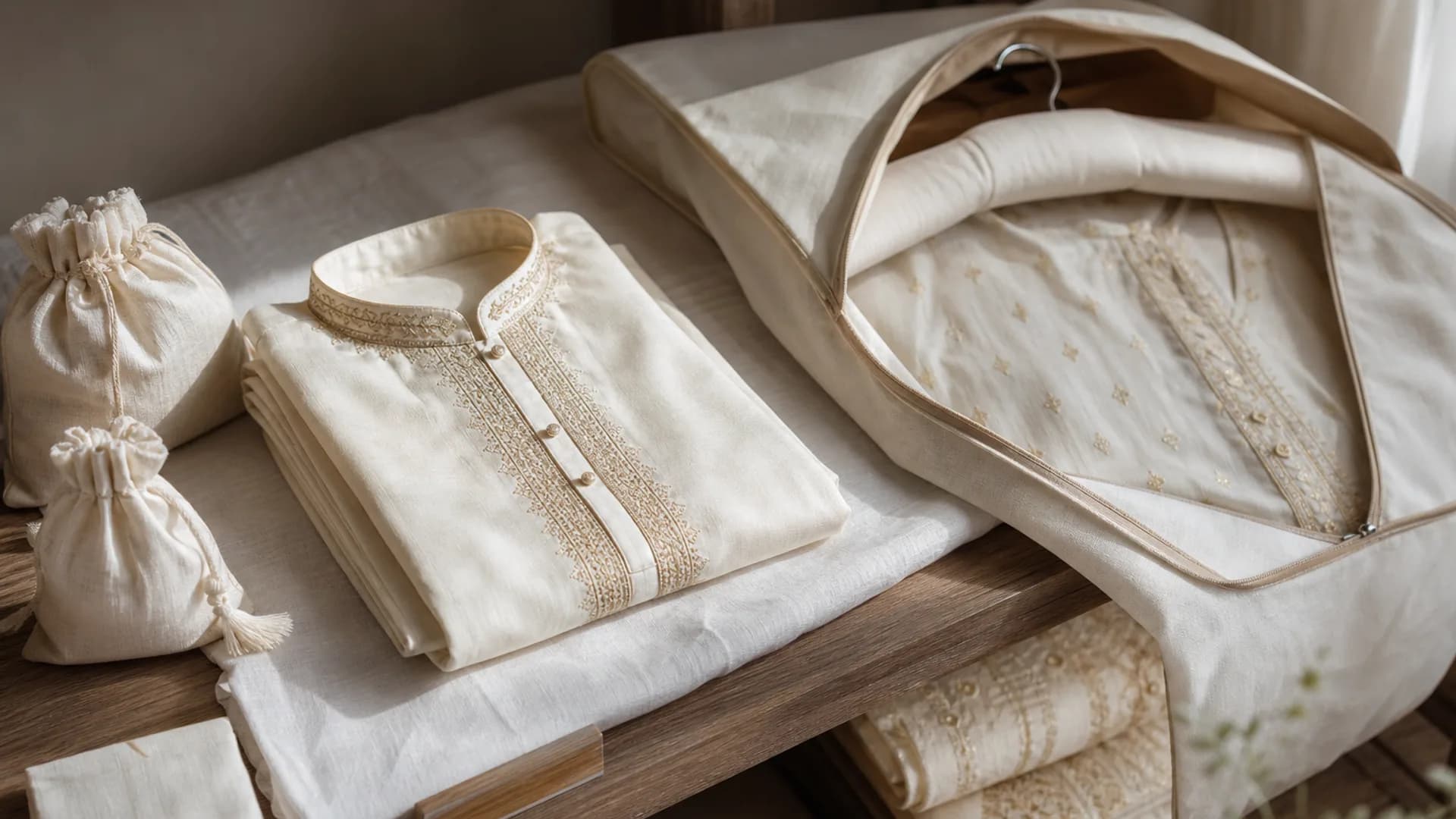
How to Store Formal Suits So They Last Years
A formal suit spends most of its life in a cupboard, and that is where most of them are ruined — not by wearing but by waiting.