

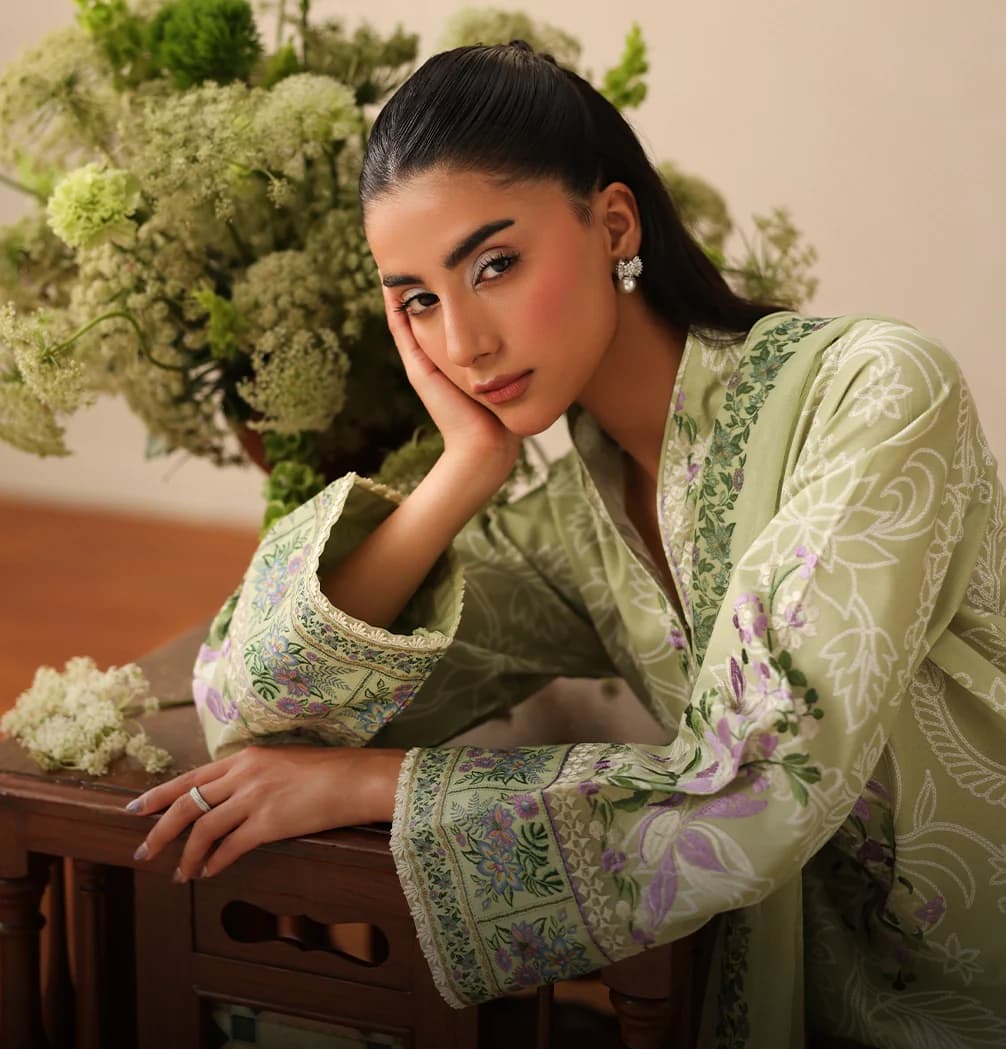
The linen we love, and why it bruises beautifully
A brief history of flax, and why we picked Belgian over Egyptian this season.
Linen is one of the oldest textiles in human history — traces of it have been found in Egyptian tombs and Mesopotamian ruins. It's made from flax, a plant that thrives in cool climates and well-drained soil, and it has a particular quality that synthetic fibres have never been able to replicate: it gets better with age.
Belgian vs Egyptian
The debate between Belgian and Egyptian linen comes down to fibre length and processing. Belgian flax is grown in the Lys river valley — the unique combination of climate and water produces a fibre with exceptional softness and lustre. Egyptian linen, while also excellent, tends toward a crispier hand.
"Linen doesn't wrinkle — it bruises. And every crease is evidence of a life being lived in it."
Why we chose Belgian this season
We tested seven linen samples over six months before settling on our current supplier outside Ghent. The deciding factor wasn't weight or thread count — it was how the fabric moved. Our Belgian linen drapes rather than falls. It suggests the body beneath rather than mapping it.
Caring for linen
Cold wash, gentle cycle, line dry. Never wring it — lay it flat when wet and let gravity do the rest. Iron on medium heat with a light spray of water, or simply don't iron it at all. The creases are part of the character.