

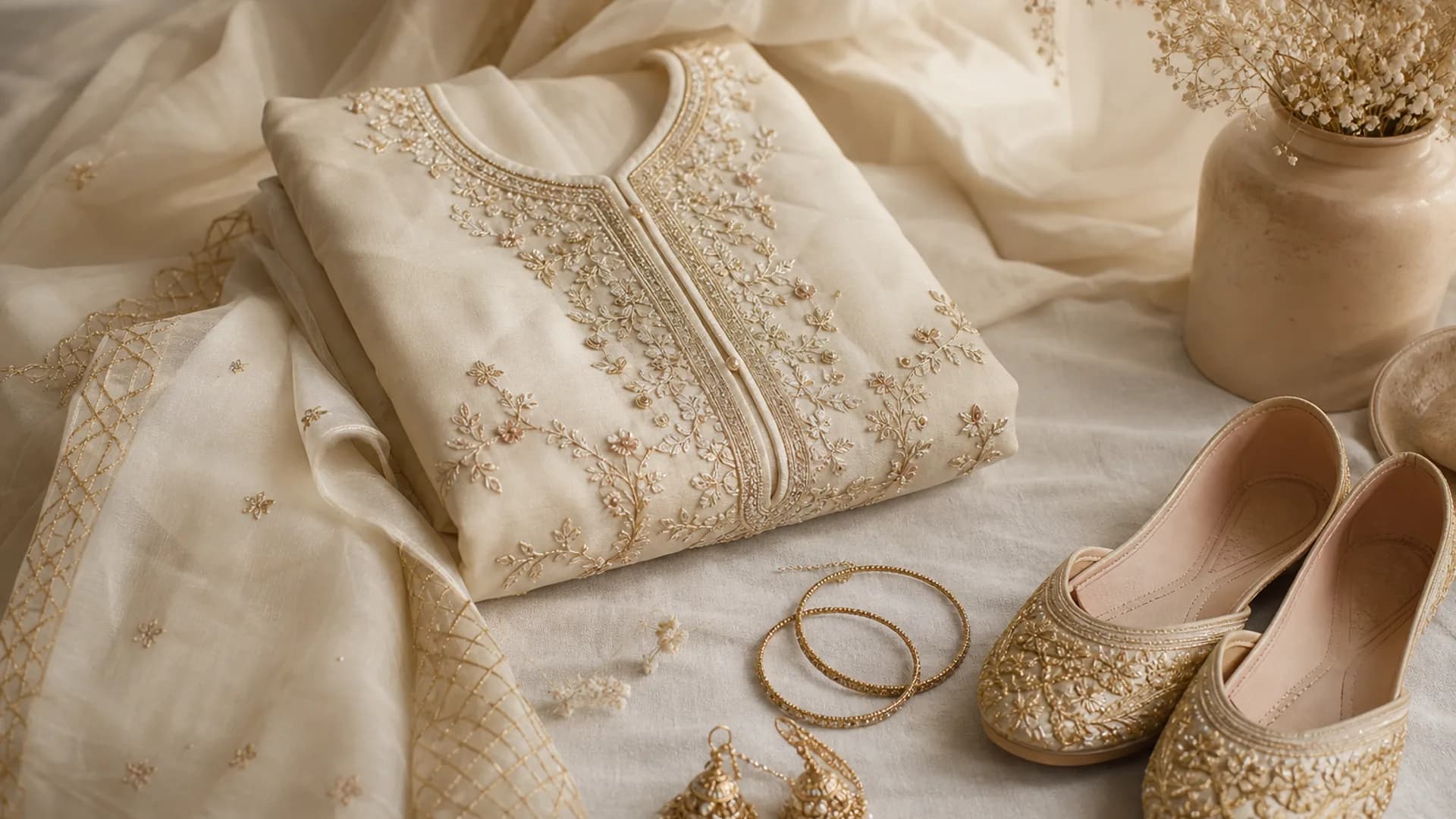
Setting Up a Nursery: What You Actually Need
Most nursery checklists are written by people selling nurseries. This one is written around a Pakistani home, where the baby usually sleeps in your room first.
Every nursery checklist you will find online lists between forty and eighty items. Most of them are written by people selling nurseries. The genuine list is much shorter, and it is different in a Pakistani home than in the ones those lists are written for. Here the baby usually sleeps in the parents' room for the first months, not in a separate nursery from day one. There is often family staying to help. The seasons are extreme in both directions. And a great deal of what a first-time parent is told to buy is either used twice or unwrapped after the baby has outgrown it. This is the list organised by when you need it: before the birth, in the first weeks, and later. Buying in that order saves a surprising amount.
Before the Birth: The Genuinely Short List
Only a handful of things need to be in the house before you come home. **A safe sleep surface.** A cot with a firm flat mattress, or a bassinet or moses basket for the early weeks. This is the one purchase not to compromise on. **Fitted sheets — four to six.** You will change these more often than you expect, at three in the morning, and having only two is a false economy. **A waterproof mattress protector.** Fitted, under the sheet. Not a loose plastic sheet on top. **Muslin swaddles — six or more.** The single most-used item in the entire list. Swaddle, burp cloth, sun shade, feeding cover, floor blanket, changing mat. Buy more than you think. **Bodysuits and sleepsuits in newborn and 0–3 months — six to eight of each.** Buy fewer newborn size than you expect; many babies skip it in days. **A sleep sack or wearable blanket** appropriate to the season. **Nappies, cotton wool, a changing mat.** That is genuinely it. Everything else can be bought after the baby arrives, and much of it will be given to you.
Where the Baby Will Actually Sleep
This is the decision that shapes the rest of the list, and the assumption in most checklists is wrong for a Pakistani home. For the first months, most babies here sleep in the parents' room — in a cot beside the bed, a bassinet, or a baby nest on a firm surface. Room-sharing is also what safe-sleep guidance recommends for at least the first six months, so it is not a compromise. That means the full nursery is not urgent. A cot in your room and a shelf of clothes will do. The decorated nursery can be set up over the following months, and setting it up while heavily pregnant is unnecessary effort. **A baby nest or pod** is useful for supervised daytime naps and for keeping a small baby contained on a bed or sofa while you are with her. It is not a sleep surface for the night — nothing padded and soft is. Our [safe sleep guide](/journal/safe-sleep-baby-bedding-pakistan-guide) covers this distinction properly, and it is the most important thing on this page. The [baby nest](/baby/baby-nest) and [cot sets](/baby/baby-cot-sets) sections cover both, and the [baby collection](/baby) has the pieces individually.
Dressing for a Pakistani Climate
The temperature range here is wider than most baby clothing advice accounts for, and it changes what to buy. **Summer.** Pure cotton, loose, short-sleeved, and fewer layers than you think. A newborn in a Karachi or Multan June needs a single cotton layer and a fan or air conditioning, not a swaddle and a blanket. Overheating is a genuine risk and it is more common than being too cold. **Winter.** Layers rather than one thick garment — a vest under a sleepsuit under a sleep sack. Layers can be removed one at a time as a room warms up; a padded snowsuit cannot. **Avoid synthetics against the skin entirely.** Polyester traps heat and is the most common cause of a hot, restless, rashy baby. Check the composition label, not the softness of the fabric. **Wash everything before first use**, at 60°C where the label allows. This removes finishing chemicals from manufacturing as well as loose dye. **Buy the next size up too.** Babies grow through sizes unpredictably, and having the next size in the cupboard when a growth spurt happens overnight is worth the small extra spend.
What the Lists Sell You That You Will Not Use
Every experienced parent has the same short list of regrets. **Cot bumpers.** Not safe for infant sleep, and they are on nearly every cot-set list. Our [safe sleep guide](/journal/safe-sleep-baby-bedding-pakistan-guide) explains why. **Baby shoes for a baby who cannot walk.** Beautiful, photographed once, outgrown. **A full-size changing table.** A changing mat on a bed or a chest of drawers works, takes no space and costs a fraction. **A nappy bin.** A normal bin with a lid does the same job. **Newborn-size clothing in quantity.** Many babies are out of it within two weeks, some are never in it. **A cot mobile.** Used for a few weeks in most homes. **Matching decorative sets** where the decorative parts cannot go in the cot anyway. None of this is wasted money if you genuinely want it — but it should be bought after the baby arrives, with real information, rather than in advance on a list.
The Things Worth Buying Well
A short list where quality genuinely shows. **The mattress.** Firm, correctly sized so there is no gap at the cot edge, and completely flat. More important than the cot itself and the item most often given no thought. **Fitted sheets.** These are washed constantly. Cheap ones lose their elastic within weeks and a loose fitted sheet in a cot is a hazard, not just an annoyance. Pure cotton, and buy enough. The [bedding sets](/baby/baby-bedding-set) cover this. **Muslins.** The difference between good and bad muslin is very visible after ten washes. Good ones soften; poor ones go stiff and thin. **A well-made changing bag.** Used daily for two years. A [baby bag](/baby/baby-bags) that survives that is worth more than one that does not. **A sleep sack per season.** Warmth without loose bedding, which is the whole point. What does not need to be expensive: bodysuits and sleepsuits, which are outgrown in weeks, and anything decorative.
Making the Room Safe, Not Just Pretty
A few things worth doing while setting up, which are much harder to retrofit once she is mobile. **Position the cot away from the window.** Away from cords, blinds and curtains — blind cords are a genuine strangulation hazard and the most commonly overlooked one. **Nothing on a shelf directly above the cot.** Frames, mobiles, decorative letters. Anything that can fall. **Secure tall furniture to the wall.** A chest of drawers becomes a climbing frame faster than you expect. **Check the room temperature with a thermometer**, not by how it feels to you. Around 16–20°C is the target for sleep, and Pakistani rooms swing well outside that in both directions. **Plan for the power going out.** A room that relies on air conditioning in June needs a plan for load shedding — a battery fan, and a room that is not the hottest in the house. **Keep the cot itself empty.** Firm mattress, fitted sheet, baby. The decoration belongs on the walls and the chair.
A Sensible Buying Order
**Before the birth:** sleep surface, mattress, protector, six fitted sheets, muslins, basic clothing, sleep sack, nappies and a changing mat. Nothing else is urgent. **First two weeks:** you will discover what you actually need. Buy it then. This is when most of the genuinely useful purchases happen. **One to three months:** the nursery proper, if you are having one. By this point you know how she sleeps and what the room needs. **Six months onward:** high chair, more robust bedding, floor play equipment. One practical point on timing: if you are ordering online before a due date, allow more time than the estimate. Deliveries slow around Eid and in wedding season, and the last thing you want is a cot mattress arriving after the baby. Our [shipping information](/help/shipping) has current timings, and the [payments page](/help/payments) covers the options if you are arranging this from abroad for family in Pakistan.
Frequently Asked Questions
A safe sleep surface with a firm flat mattress, a waterproof protector, four to six fitted sheets, plenty of muslins, six to eight bodysuits and sleepsuits, a season-appropriate sleep sack, nappies and a changing mat. Everything else can wait until after the birth.
No. Most babies in Pakistani homes sleep in the parents' room for the first months, and safe-sleep guidance recommends room-sharing for at least six months. A cot beside your bed is enough — the decorated nursery can be set up later, with better information.
Four to six. You will be changing them unexpectedly and often at night, and having only two means washing at three in the morning. Buy pure cotton and buy good ones — cheap fitted sheets lose their elastic quickly, and a loose sheet in a cot is a hazard.
Cot bumpers, which are not safe for infant sleep; shoes for a baby who cannot walk; a full-size changing table; a nappy bin; large quantities of newborn-size clothing; and cot mobiles. Buy any of these after the birth if you still want them, not in advance.
A single loose pure-cotton layer, with a fan or air conditioning. Overheating is more common than being too cold and is a real risk. Avoid synthetics against the skin entirely, and judge her temperature at the chest or the back of the neck rather than by her hands.
About the Author
Habiba Minhas
Founder and creative director of Habiba Minhas, Pakistan's leading handcrafted fashion brand based in Karachi. With a passion for preserving traditional Pakistani craftsmanship while embracing modern design, she has built a brand serving over 5,000 customers nationwide.
Specializing in premium ladies suits, kids festive wear, and baby products, Habiba works directly with artisan embroiderers and skilled tailors to create pieces that honor Pakistani heritage.
Related Articles
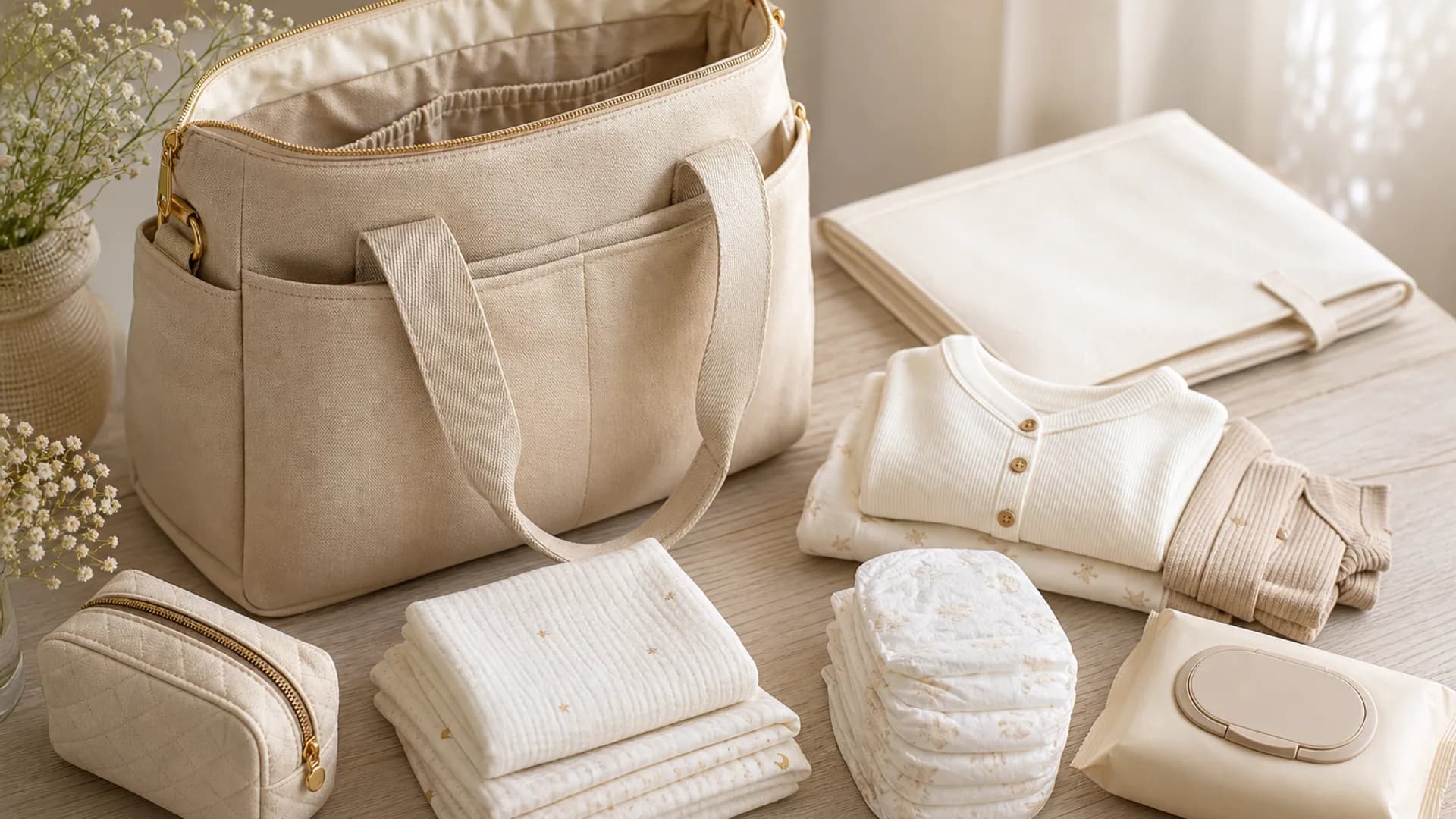
The Baby Bag: What to Pack and What to Skip
Most baby bags are packed for every possible emergency and carried until your shoulder hurts. Here is the short list that covers almost everything.
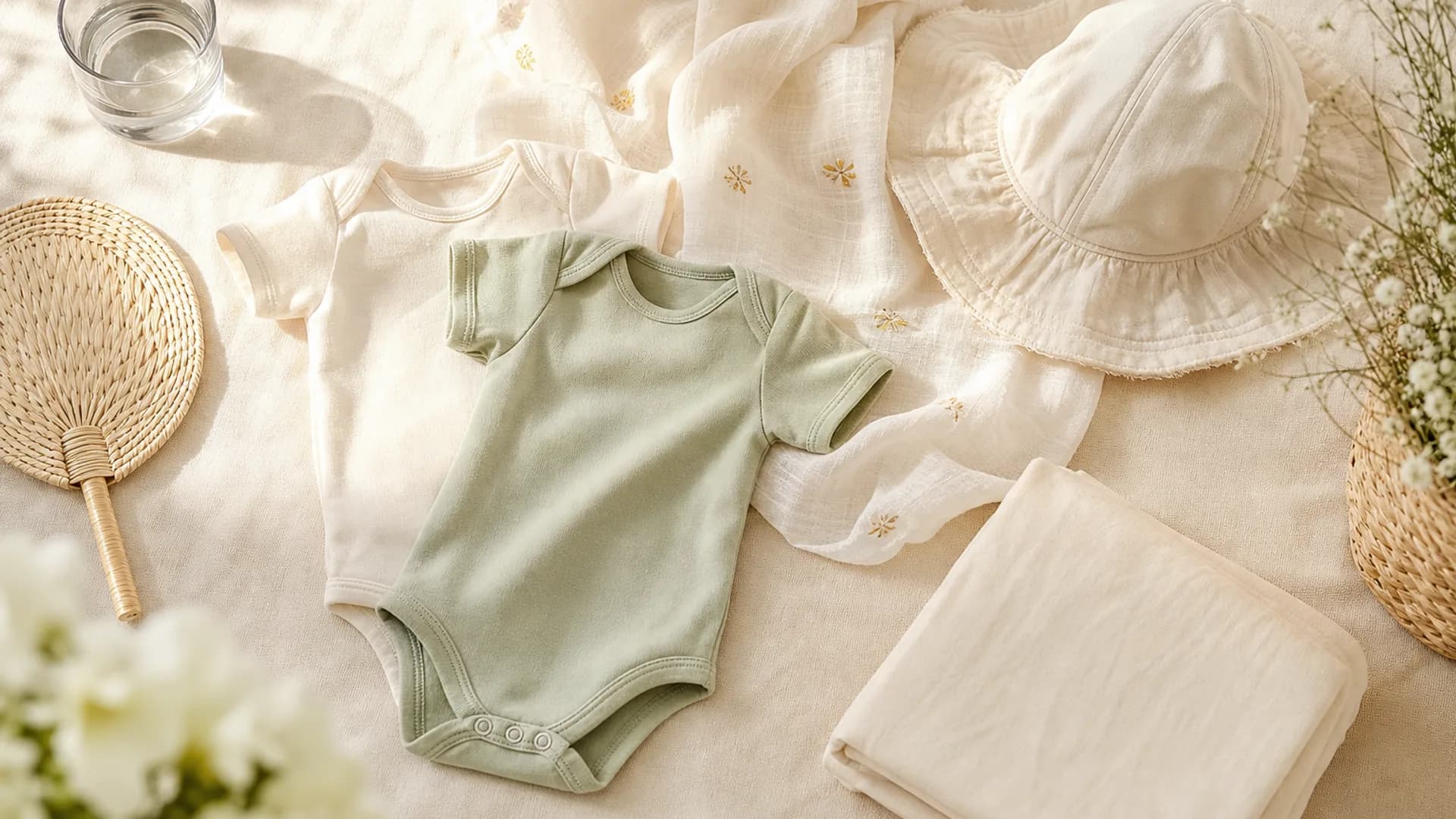
Dressing a Newborn Through a Pakistani Summer
The instinct in most Pakistani households is to keep a newborn wrapped. In a Karachi June that instinct is the wrong one, and overheating is the bigger risk.
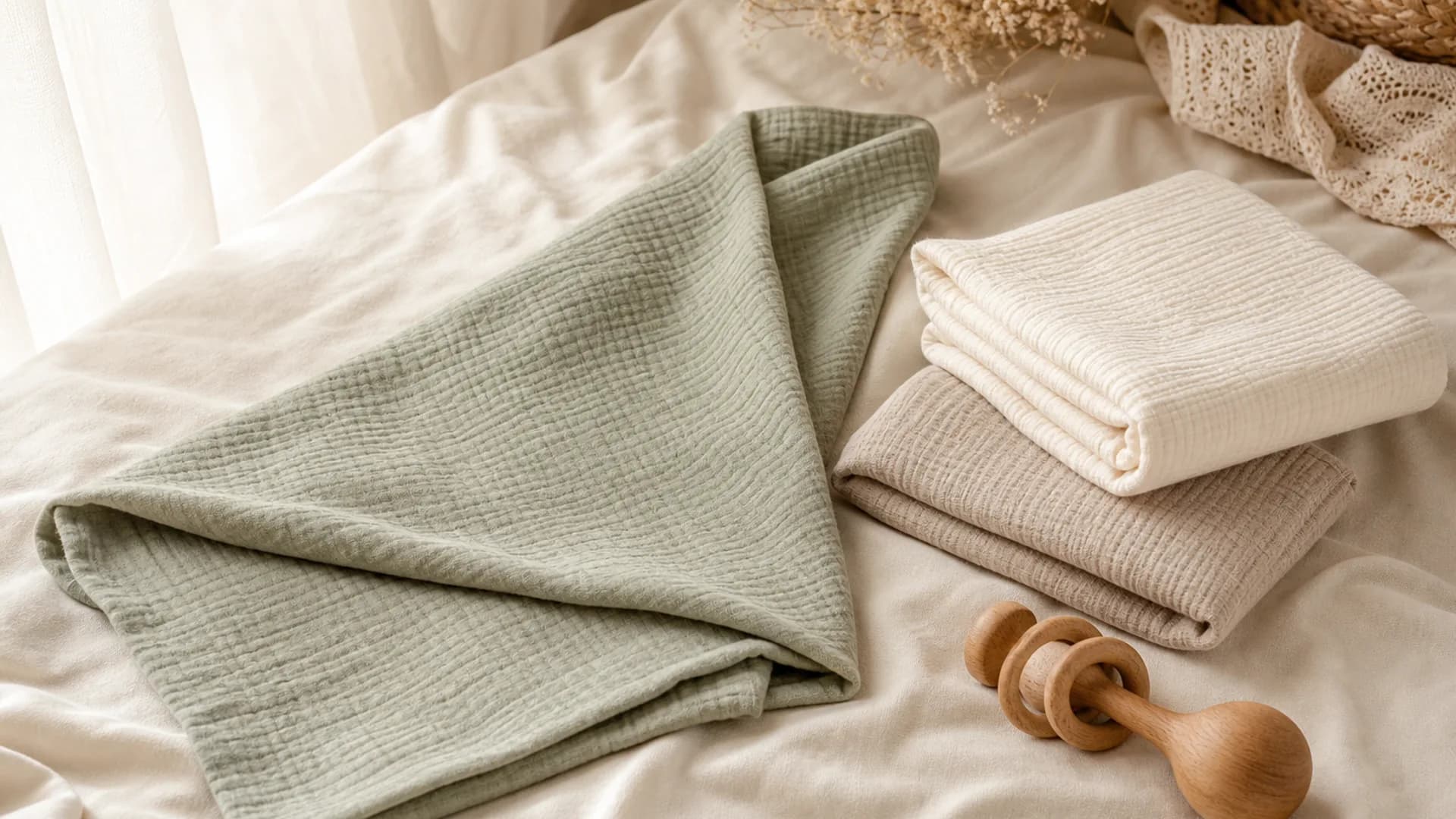
Swaddling a Baby: How to Do It Safely
Swaddling calms most newborns and is done wrong in two specific ways. Both are avoidable, and one of them matters a great deal.