

Pakistani Fashion Color Trends for 2026 — What to Wear This Year
The color palette of Pakistani fashion is shifting toward softer, more sophisticated tones in 2026. From dusty rose to sage green, here are the colors defining this year's collections — and how to wear them beautifully.
Every year brings a new wave of color to Pakistani fashion, but 2026 feels different. The palette has matured — moving away from the loud, heavily saturated tones that dominated the last few years toward something quieter, more refined. Think dusty rose instead of hot pink, sage green instead of emerald, ivory instead of stark white. These are colors that whisper rather than shout, and they're everywhere: from bridal wear to everyday lawn suits, from formal silk to casual linen. If you're building your wardrobe this year or planning outfits for upcoming weddings and Eid celebrations, understanding these color trends will help you stay current without chasing trends that feel out of place.
1. Dusty Rose — The New Bridal Neutral
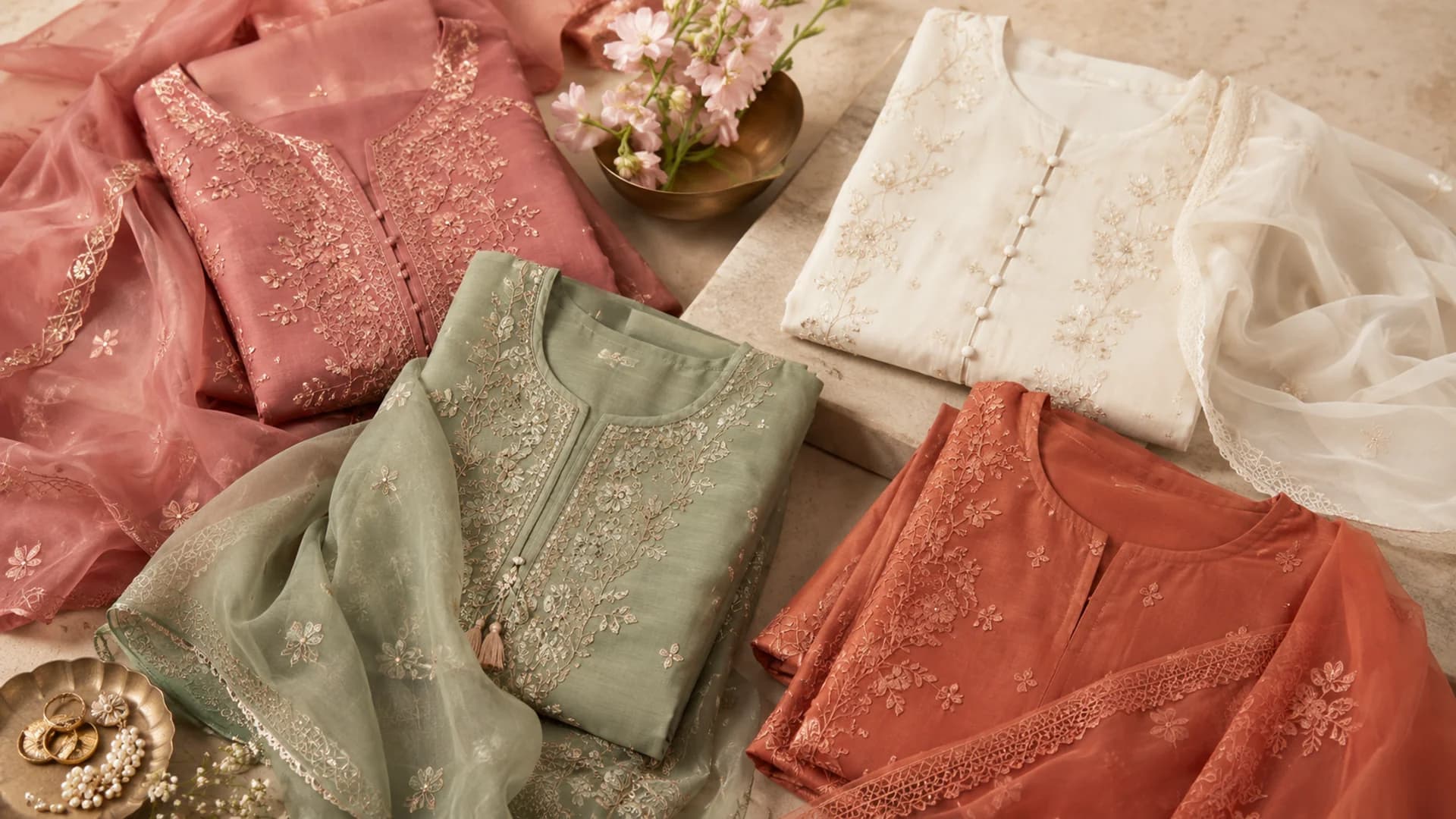
Dusty rose has overtaken millennial pink as the go-to soft pink for Pakistani fashion. It's muted, slightly greyed, and incredibly flattering across a range of skin tones. You'll see it in bridal lehengas, bridesmaid outfits, and formal embroidered suits. It pairs beautifully with gold embroidery and works as both a base color and an accent.
How to wear it
For weddings: Choose a dusty rose silk suit with zari or dabka embroidery. For Eid or formal dinners: Opt for a lawn or chiffon suit in dusty rose with minimal embellishment — the color does the work. Pair with nude or gold accessories.
Who it suits
Dusty rose is universally flattering. It softens deeper skin tones and adds warmth to fair complexions. Avoid pairing it with cool-toned silvers — stick to gold or rose gold.
2. Sage Green — The Minimalist Choice
Sage green has become the color of understated elegance. It's earthy, calming, and works beautifully in both embellished formal wear and simple everyday suits. This color is particularly popular in linen and silk, where the fabric's natural texture adds depth to the muted tone.
Styling sage green
Keep embroidery minimal — sage green shines when the silhouette is clean and the fabric quality is high. Pair with white or cream dupattas for contrast, or go tone-on-tone for a monochromatic look. Gold accessories work, but silver and pearl jewelry feel more modern.
3. Ivory & Off-White — The Luxury Minimal Movement
Ivory has replaced stark white as the preferred neutral in Pakistani fashion. It's softer, warmer, and more forgiving in both natural and artificial light. Off-white tones — cream, ecru, bone — are being used for everything from casual wear to bridal outfits.
Why ivory over white
White can look harsh in photos and under Pakistani sunlight, especially during daytime events. Ivory photographs beautifully and works across all skin tones without washing anyone out. It's also easier to care for — small stains are less visible.
4. Pearl Grey — The Corporate Formal
Grey has entered Pakistani formal wear in a big way, particularly pearl grey and dove grey. These are cool, neutral tones that work beautifully for semi-formal office events, corporate functions, and evening dinners. Grey feels modern, professional, and refreshingly different from the usual bright palette.
Best uses for grey
Grey works best in structured silhouettes — straight kurtas, wide-leg trousers, tailored vests. Pair with contrasting dupattas in gold, blush, or white. Avoid grey-on-grey unless you're aiming for a very minimalist, editorial look.
5. Terracotta & Rust — The Earth Tone Comeback
Earthy tones like terracotta, rust, and burnt orange are having a moment. These colors feel grounded, warm, and work particularly well in autumn and winter collections. They pair beautifully with gold embroidery and look stunning in heavier fabrics like khaddar and velvet.
Colors Fading Out in 2026
Not every color is trending upward. If you're investing in new pieces this year, you might want to avoid bright neon tones, overly saturated jewel tones (think electric blue, emerald green), and stark black — unless it's part of a monochrome or contrast look. These colors aren't gone, but they're no longer leading the conversation.
How to Build a 2026 Color Wardrobe
- Start with one or two trending neutrals (ivory, sage, pearl grey) as your base.
- Add one statement color you love (dusty rose, terracotta) for special occasions.
- Choose fabrics that enhance the color — silk for dusty rose, linen for sage, chiffon for ivory.
- Invest in quality over quantity — a well-made suit in a trending color will outlast three fast-fashion pieces.
- Don't abandon colors you love just because they're not trending. Personal style always wins.
Frequently Asked Questions
Dusty rose and ivory are leading bridal and wedding guest colors in 2026. Both are soft, elegant, and photograph beautifully. Sage green is also popular for minimalist brides and daytime events.
Neon tones, overly bright jewel tones (electric blue, emerald), and stark white are fading. These aren't completely out, but softer, more muted versions are more on-trend.
Dusty rose, terracotta, and ivory are universally flattering. Sage green and pearl grey work beautifully on medium to deep skin tones. Warm undertones should lean toward terracotta and dusty rose; cool undertones toward sage and pearl grey.
Yes, especially pearl grey or dove grey with gold or embroidered accents. Grey works well for semi-formal wedding events like mehndi or dholki. For barat or walima, add more embellishment or pair grey with a contrasting colored dupatta.
About the Author
Habiba Minhas
Founder and creative director of Habiba Minhas, Pakistan's leading handcrafted fashion brand based in Karachi. With a passion for preserving traditional Pakistani craftsmanship while embracing modern design, she has built a brand serving over 5,000 customers nationwide.
Specializing in premium ladies suits, kids festive wear, and baby products, Habiba works directly with artisan embroiderers and skilled tailors to create pieces that honor Pakistani heritage.
Related Articles
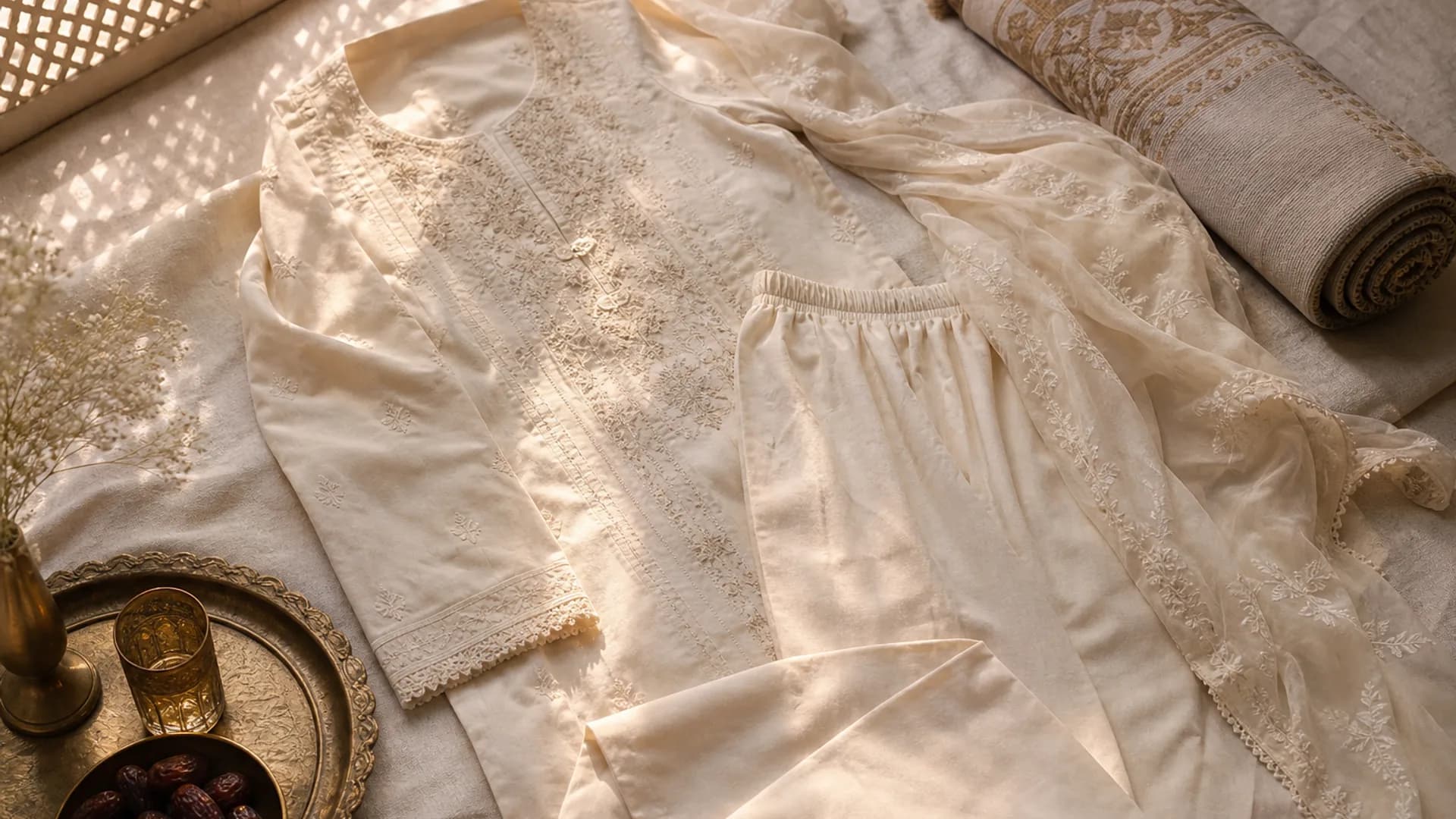
Dressing for Ramadan and Iftar Gatherings
Ramadan runs a month, and the clothing has to work for fasting through the afternoon and hosting in the evening. The two are different problems.
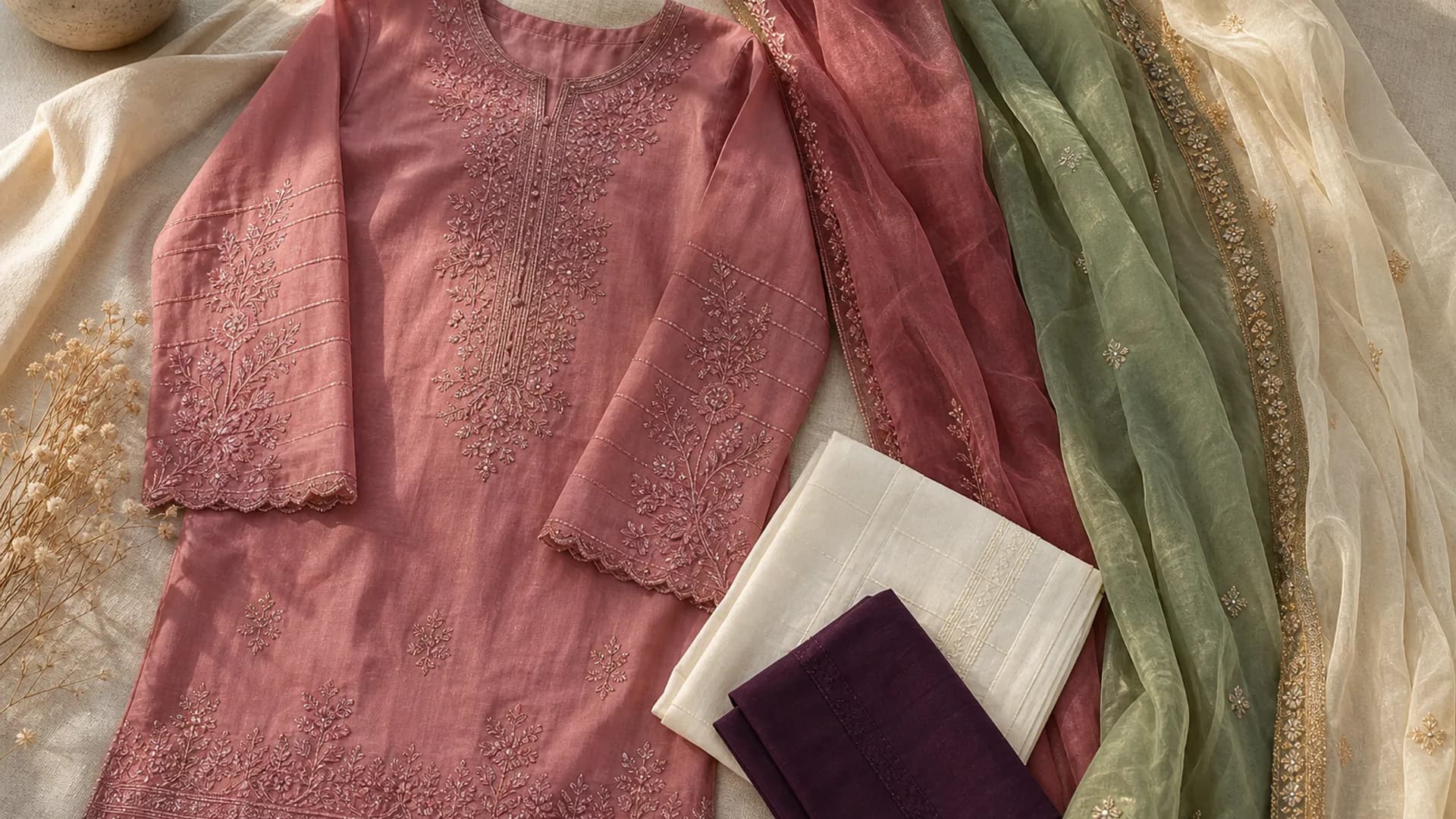
Matching a Dupatta or Trouser to a Shirt
Almost matching looks worse than clearly not matching. Here is how to pair pieces bought separately so the outfit reads as deliberate.
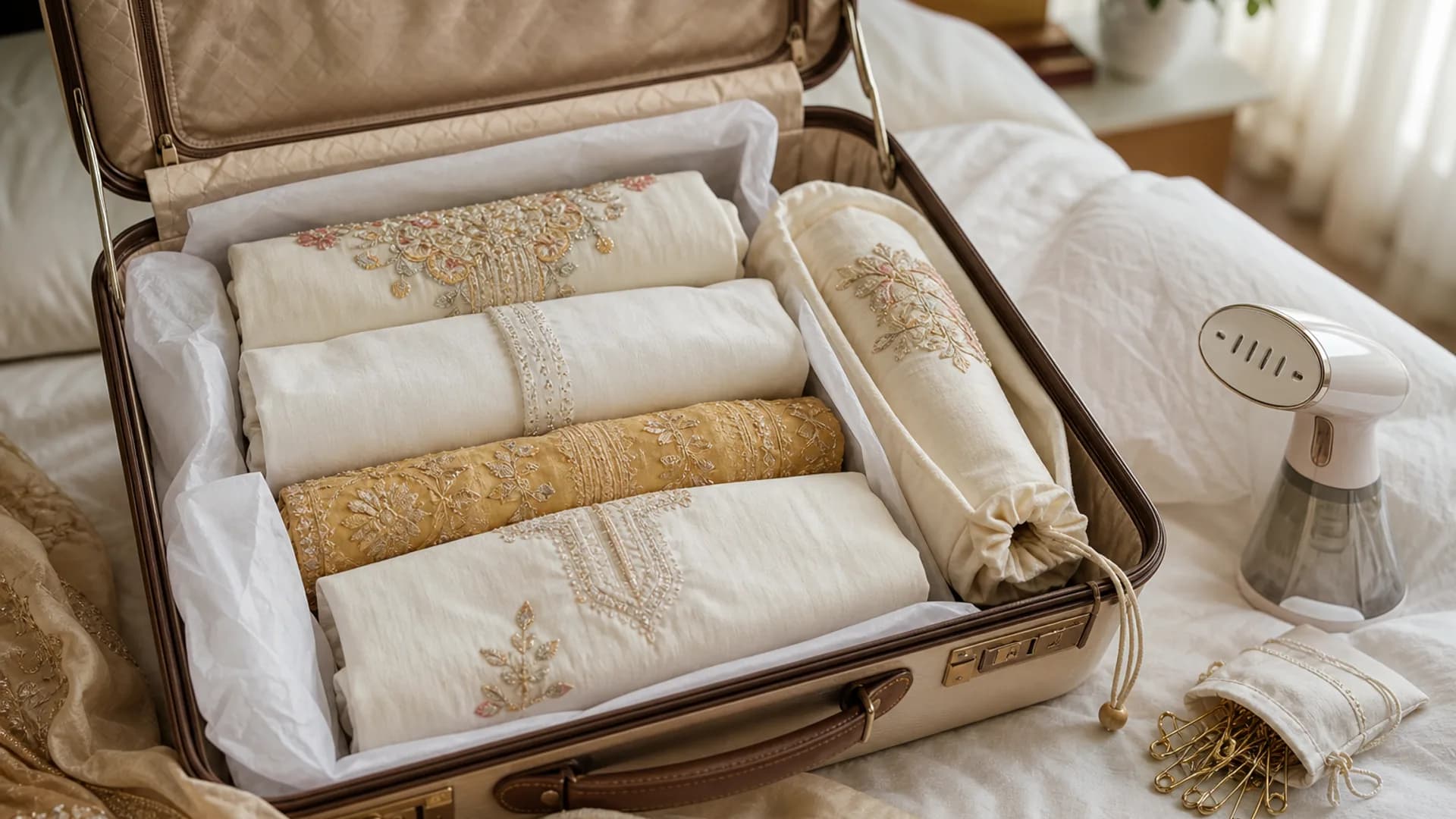
Packing Formal Wear Without Ruining It
A heavily worked outfit and a suitcase are natural enemies. A specific folding method and twenty minutes on arrival is the difference between wearable and not.