

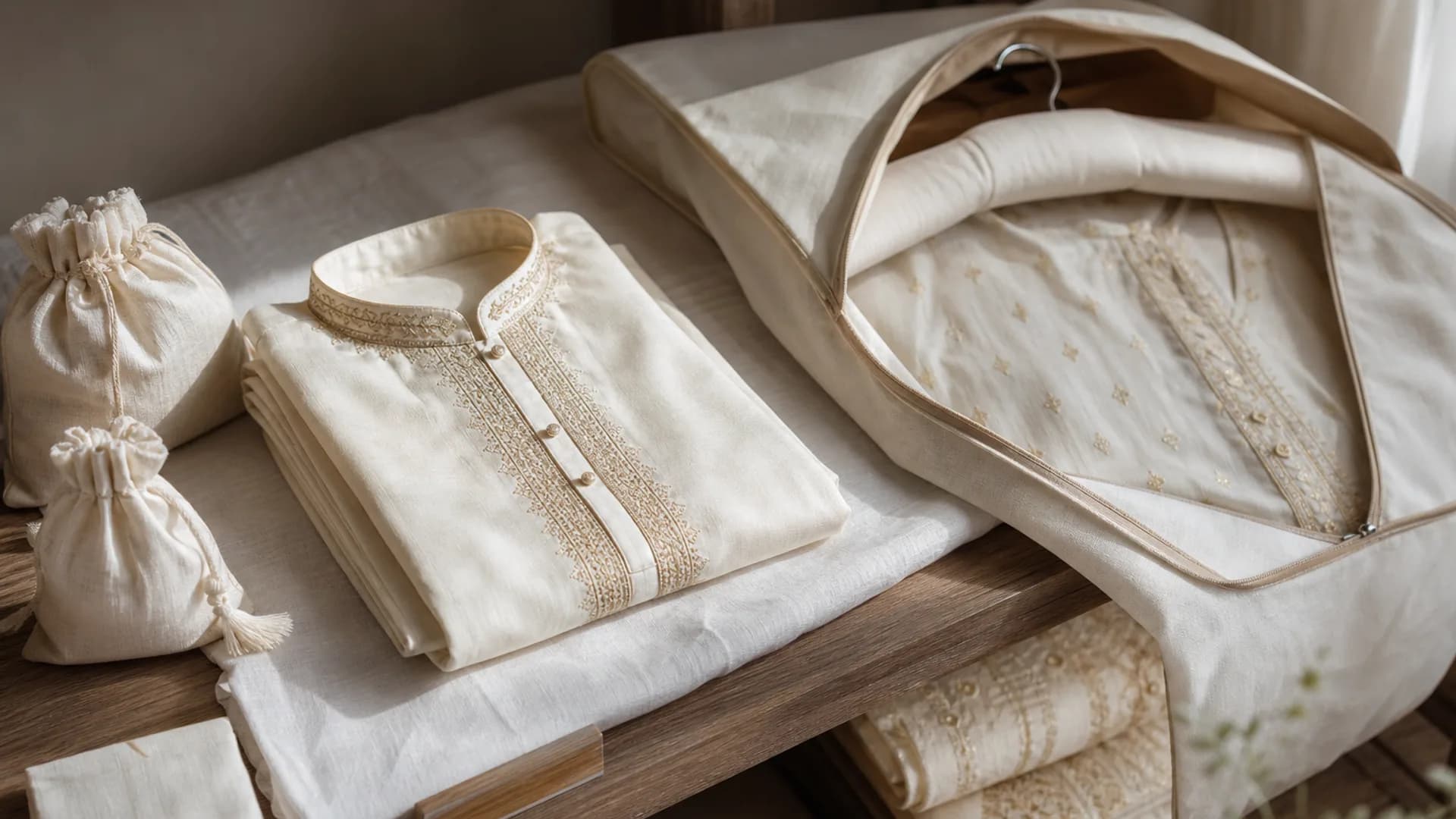
How to Store Formal Suits So They Last Years
A formal suit spends most of its life in a cupboard, and that is where most of them are ruined — not by wearing but by waiting.
A formal suit is worn perhaps three or four times a year. The rest of the time it is in a cupboard, and that is where most of them are ruined. Not by wearing. By waiting. Zari goes black. Sequins soften in summer heat and fuse to whatever is folded against them. A permanent crease sets along a fold line. Silk yellows where it touched a wooden shelf. Mildew appears along the shoulder in a Karachi monsoon. Every one of these is a storage failure, and every one is preventable. This matters more the better the outfit is. If the argument for buying good fabric is that it lasts, then storing it properly is what makes that argument true.
Clean It Before You Store It — Always
This is the rule broken most often and the one that causes the most damage. A suit worn once looks clean. It is not. It carries perfume, hair oil, body oils from the neckline and underarm, food splashes you did not notice, and dust from the venue. None of that is visible now. All of it oxidises over months into yellow-brown marks that are extremely difficult to remove — the classic mystery stain that appears on a shoulder or a neckline in a suit that was put away perfectly clean. Worse, body oils and food residue attract insects. Silver fish and moths are drawn to soiled fabric, not clean fabric, and a stored suit with a food mark on it is what they find. So: dry clean or hand wash before storing, not before wearing. If you are storing something at the end of wedding season for next year, this is the single highest-value thing on this page. Our guide on [caring for silk at home](/journal/how-to-care-for-silk-suits-at-home-pakistan) covers what can safely be washed and what cannot.
Hang or Fold? It Depends on the Weight
Both are correct, for different garments, and doing the wrong one causes damage. **Hang:** light and medium-weight pieces — chiffon, georgette, plain silk, lawn, and lightly worked shirts. Hanging avoids crease lines entirely. **Fold:** anything heavy. A heavily embroidered shirt, a gharara, a velvet outfit, or anything with substantial zari or stonework. Hanging a heavy garment stretches it out of shape over months — the shoulders distort, the fabric drops, and it does not recover. **Use a padded or broad wooden hanger** for anything hung. A thin wire hanger puts all the weight on two points and leaves a permanent mark and a shoulder dent in silk. **Never hang by the dupatta or by shoulder loops** on a heavy garment. Those loops are for keeping a shirt on a hanger, not for bearing the weight of embroidery. **When folding, fold along different lines each time** you put it away. A crease that is refolded in the same place year after year becomes a permanent weakness, and on silk it eventually splits.
Zari, Sequins and Metal Work
This is where Pakistani formal wear is most vulnerable, because so much of it carries metal. **Zari tarnishes in air, and faster in humidity.** Real gold and silver zari darkens; the copper and coated varieties go black. The fix is to limit air contact: wrap the garment in muslin or an old cotton sheet rather than leaving it exposed on a shelf. **Never store zari in plastic.** A polythene bag traps moisture against the metal, and that accelerates tarnishing dramatically. Plastic dry-cleaning covers should come off the moment the suit gets home. This is the most common storage mistake in Pakistani homes. **Sequins and plastic stonework soften in heat.** In a cupboard in a Lahore or Karachi summer, sequins can go tacky and fuse to whatever is folded against them. Interleave with a layer of muslin or tissue between the folds — not newspaper, whose ink transfers. **Store worked pieces face down or work-inward**, so the embroidery is not pressing against the shelf or against another garment's metal. **Keep stonework away from silk.** Sharp-backed stones on one garment abrade the fabric of the one next to it over months. Our guide on [gold brocade](/journal/gold-brocade-fabric-what-it-is-how-to-style) covers what these fabrics are made of.
Humidity, Which Is the Pakistani Problem
Karachi's monsoon humidity and coastal air are harder on stored clothing than anything else in the country, and inland cities are not exempt in July and August. **Mildew** appears as grey or black speckling, usually along a shoulder or a fold, and on silk it is often permanent. It needs moisture and still air, so the answer is to remove both. **Air the cupboard.** Open it for an hour on a dry day, once a month. Free, and more effective than anything you can buy. **Do not pack tightly.** Air needs to move between garments. A cupboard crammed full is a cupboard that holds moisture. **Use silica gel sachets** on the shelf, and replace them — they saturate and then do nothing. The ones that come in shoeboxes and handbags are worth keeping for this. **Keep clothes off the floor and away from an outside wall**, which is where condensation collects. **Never store anything even slightly damp.** A suit put away after a monsoon function without fully drying is the single most reliable way to grow mildew.
What to Wrap It In
The wrapping matters as much as the location. **Muslin or old cotton sheeting** is the traditional answer and remains the best one. It breathes, it keeps dust and light off, and it does not trap moisture. Wrap each formal piece separately. **Cotton garment bags** for hung pieces. Widely available and worth buying for the outfits you care about. **Acid-free tissue** between folds for very fine or pale fabrics. Ordinary tissue and newspaper both transfer over time — newspaper ink especially, and it is a common and expensive mistake. **Not plastic**, for any of it. Polythene bags, vacuum bags and plastic storage boxes all trap moisture, accelerate zari tarnish, and can yellow silk. The dry cleaner's plastic is for the journey home only. **Not cardboard boxes directly against fabric** — cardboard is acidic and marks pale silk over a year or two. Line the box with muslin if you are using one.
Light, Insects and the Rest
**Light fades everything.** A cupboard with a glass front or one facing a window will fade whatever is at the front, and the fade line along a fold is permanent. Store in the dark, and rotate what sits at the front. **Naphthalene balls work but leave a smell** that is very hard to get out of silk, and they are unpleasant to handle. Cedar blocks, dried neem leaves and lavender sachets are gentler alternatives, though less effective — they need refreshing every few months. **Nothing repels insects as well as cleanliness does.** A clean garment in a clean, aired cupboard is unattractive to moths and silverfish regardless of what else you put in there. **Check on things twice a year.** Wedding season and Eid are natural points. Take everything out, air it, look at the folds, refold along different lines, and put it back. Twenty minutes twice a year saves outfits. **Store shoes separately** and never in the same bag as a garment — leather and dye transfer. Our [shoes guide](/journal/shoes-with-pakistani-formal-wear-guide) covers keeping those in shape too.
Storing After a Wedding, and Long-Term
The end of wedding season is when this matters most, because an outfit is about to sit untouched for ten months. **Clean everything before it goes away**, even pieces worn once for two hours. **Deal with stains now, not next year.** An old stain is a permanent stain, and telling a dry cleaner what caused it — food, perfume, makeup — makes a real difference to whether it comes out. **Note what needs repair.** A loose sequin, a pulled thread, a hook coming off. These are ten-minute fixes now and much larger jobs after a year of being folded against the damage. **Label the shelf.** A note of what is in each muslin bundle saves unwrapping six outfits next November. **Photograph what you own.** The genuinely useful habit almost nobody has — it stops you buying something similar, and it makes planning a wedding week far quicker. Our guide on [planning a wedding wardrobe](/journal/how-many-outfits-pakistani-wedding-week-budget) covers why knowing what you already own is the first step. The underlying argument is simple: a good [stitched suit](/ladies/stitched-suits) is worth buying because it lasts, and it lasts because it is stored properly. You can see the fabrics we work with across the [ladies collection](/ladies).
Frequently Asked Questions
No. Plastic traps moisture, which accelerates zari tarnishing and can yellow silk. Take the dry cleaner's plastic cover off as soon as you get home and wrap the garment in muslin or old cotton sheeting instead — it keeps dust and light off while still letting the fabric breathe.
Zari is metal, and metal tarnishes on contact with air and moisture. Humidity speeds it up considerably. Limit air contact by wrapping the garment in muslin, keep it out of plastic, and store it somewhere dry and dark rather than in a humid cupboard against an outside wall.
Fold anything heavy. Hanging a heavily embroidered shirt, a gharara or a velvet outfit for months stretches it out of shape and the shoulders distort permanently. Hang light pieces — chiffon, georgette, plain silk — on a padded or broad wooden hanger, never a wire one.
Never store anything even slightly damp, do not pack the cupboard tightly, air it for an hour on a dry day once a month, and keep silica gel sachets on the shelf and replace them when they saturate. Keep garments off the floor and away from outside walls, where condensation collects.
Yes, always. Perfume, hair oil, body oils and unnoticed food marks are invisible now but oxidise into yellow-brown stains over months, and they attract moths and silverfish. Clean before storing, not before wearing — this is the single most useful storage habit.
About the Author
Habiba Minhas
Founder and creative director of Habiba Minhas, Pakistan's leading handcrafted fashion brand based in Karachi. With a passion for preserving traditional Pakistani craftsmanship while embracing modern design, she has built a brand serving over 5,000 customers nationwide.
Specializing in premium ladies suits, kids festive wear, and baby products, Habiba works directly with artisan embroiderers and skilled tailors to create pieces that honor Pakistani heritage.
Related Articles
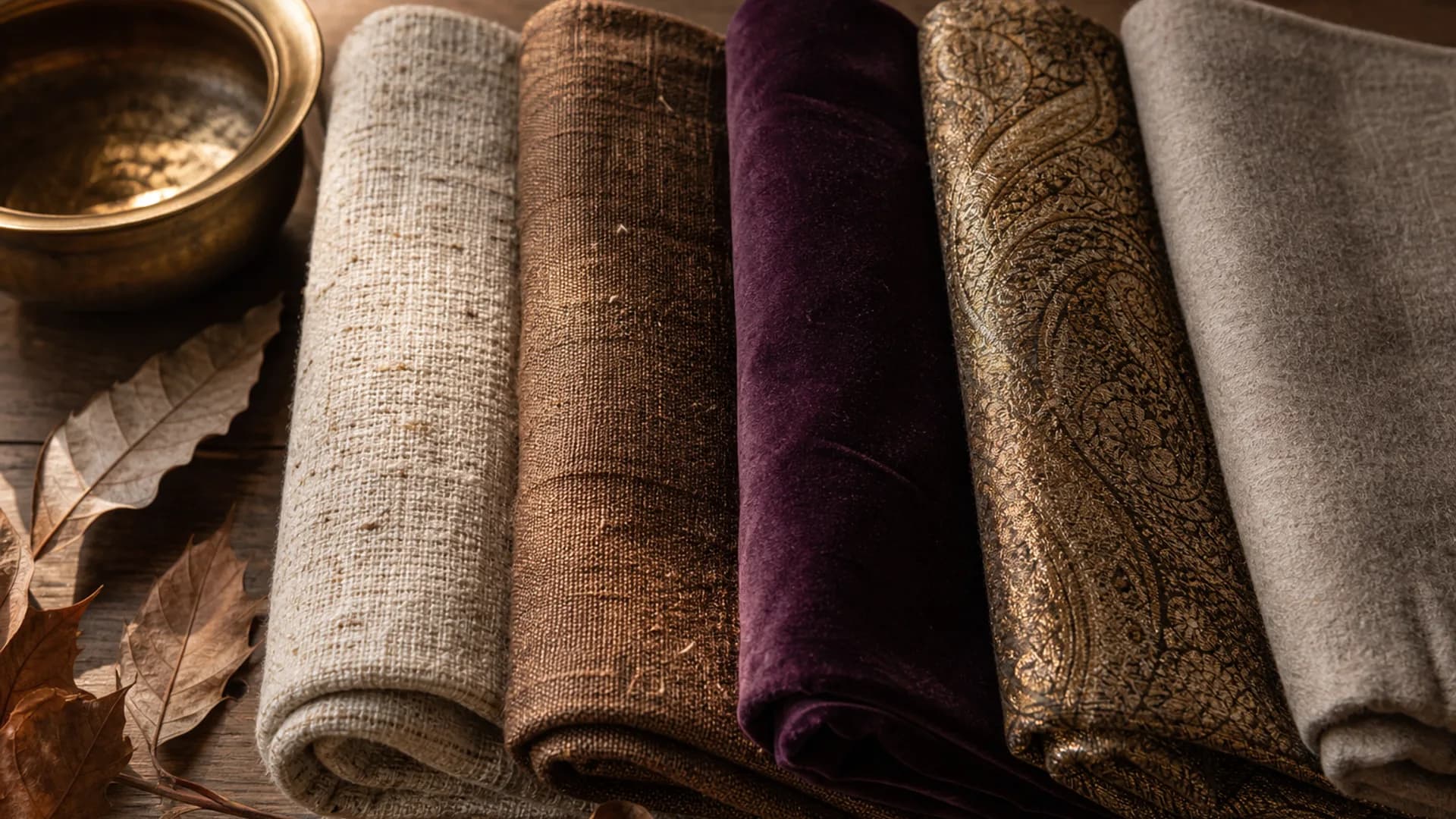
Winter Fabrics: Khaddar, Karandi, Velvet and More
Pakistani winter fabrics are sold by name and almost never explained. Here is what each one is, how warm it really is, and where it belongs.
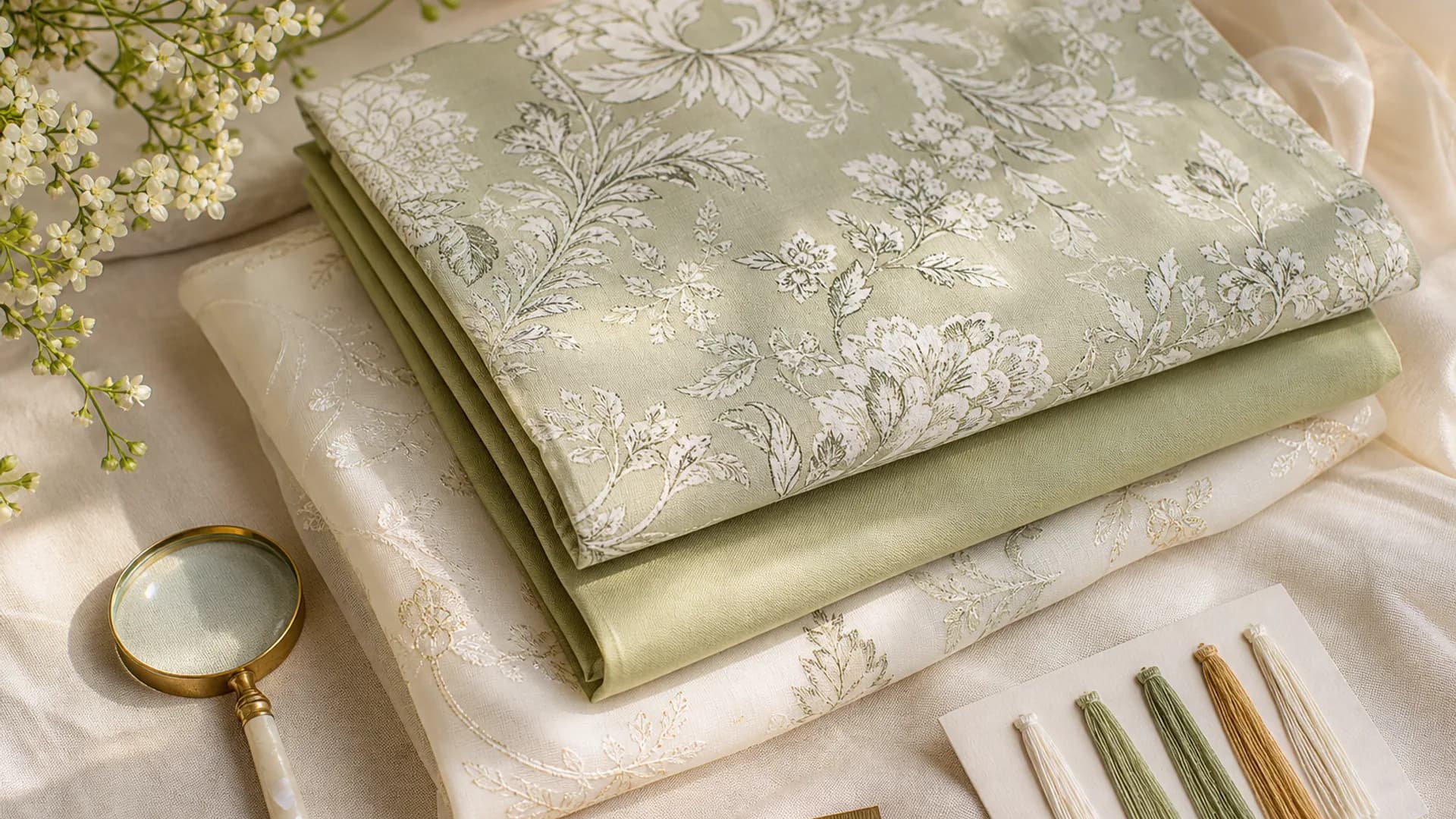
Lawn Season: How to Buy Lawn Actually Well
Lawn season is the one shopping event the whole country takes part in, and most of it is bought in a rush on a phone. Here is how to judge what you are buying.
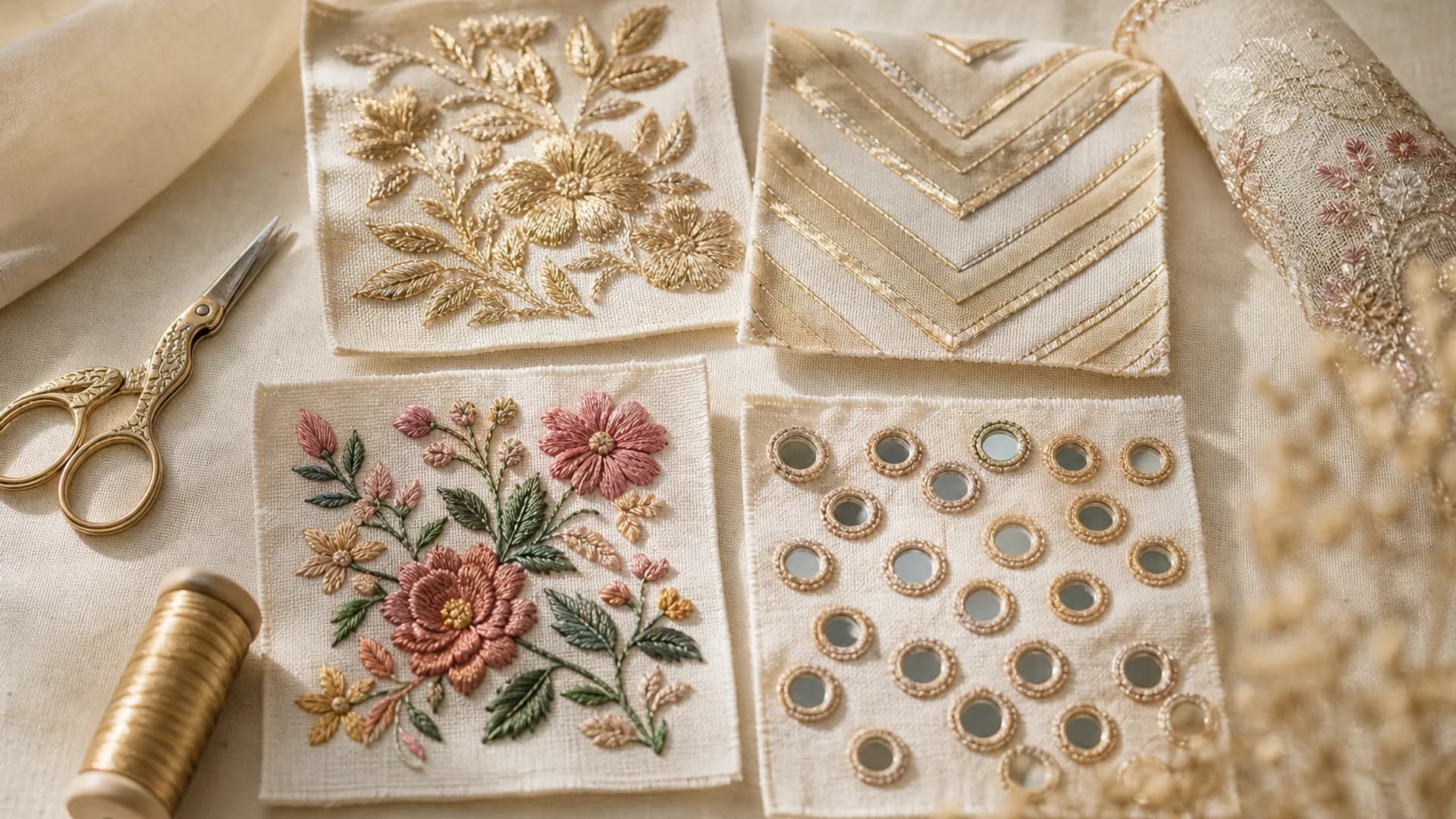
Zari, Gota, Resham: Embroidery Types Explained
Every formal suit is described with a list of embroidery names, and almost nobody knows what they mean. Here is what each one is, and how it behaves.