
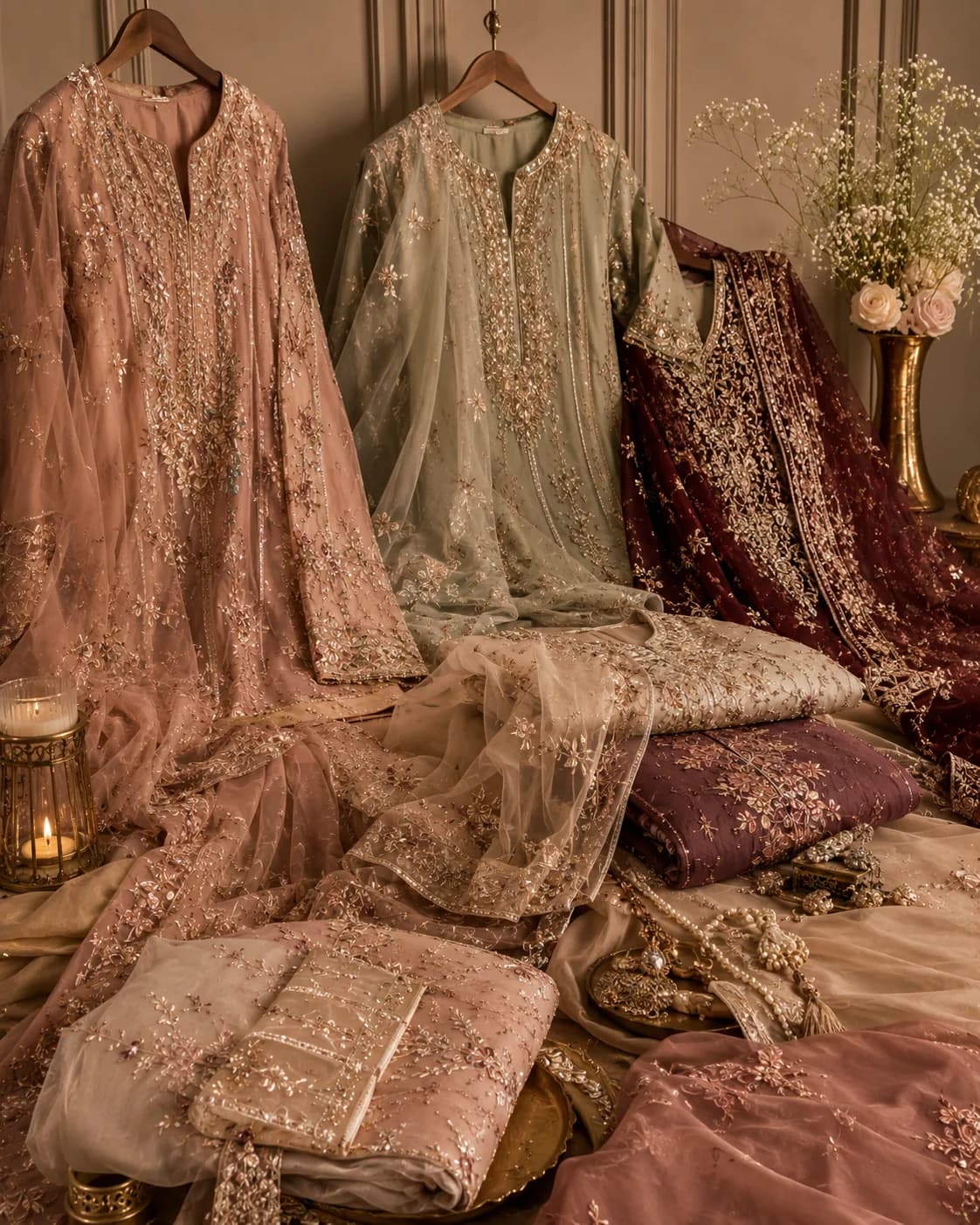
Pakistani Formal Wear Guide: Difference Between Party, Semi-Formal and Festive
Not all formal wear is the same. Learn the key differences between party wear, semi-formal, and festive outfits in Pakistani fashion — and when to wear each.
If you've ever been invited to an event and wondered, 'Is this party wear or festive?' you're not alone. Pakistani fashion has several categories of formal wear, and understanding the difference helps you dress appropriately for every occasion.
The Three Main Categories of Pakistani Formal Wear
Pakistani formal wear can be divided into three main categories: Party Wear, Semi-Formal, and Festive. Each has distinct characteristics in terms of fabric, embellishment, color, and occasion appropriateness.
1. Party Wear — Elegant & Versatile
When to Wear It
Dinner parties, birthday celebrations, anniversary events, corporate functions, evening gatherings.
Fabric
Silk, chiffon, georgette, satin, or velvet (for winter).
Embellishment Level
Light to moderate — sequins, minimal embroidery, simple gota work, tone-on-tone thread work.
Color Palette
Jewel tones, pastels, neutrals, or metallic shades. Avoid very bright neon colors.
Silhouette
Clean, modern cuts. A-line kameez, straight-cut suits, or long kurtis with churidar.
2. Semi-Formal — Comfortable Elegance
When to Wear It
Dholki nights, mehndi gatherings, Eid dawat, casual wedding events, family functions.
Fabric
Lawn, cotton-silk, linen, light chiffon, or embroidered cotton.
Embellishment Level
Minimal to moderate — simple embroidery, printed patterns, light lace, or small motifs.
Color Palette
Bright and vibrant (for mehndi/dholki) or soft pastels (for Eid dawat).
Silhouette
Comfortable and movement-friendly. Straight kameez, flared suits, or 2-piece sets.
3. Festive Wear — Grand & Celebratory
When to Wear It
Eid ul Fitr, Eid ul Adha, barat ceremonies, formal wedding events, cultural celebrations.
Fabric
Rich silk, brocade, jamawar, heavy chiffon, or organza.
Embellishment Level
Moderate to heavy — zardozi, gold brocade, mirror work, dabka, resham embroidery.
Color Palette
Jewel tones, metallics, or rich traditional colors. Think emerald, ruby, gold, and royal blue.
Silhouette
Traditional and grand. Heavy dupattas, embroidered necklines, and statement sleeves.
Quick Reference Guide
- Party Wear = Elegant dinner events & corporate gatherings
- Semi-Formal = Comfortable family functions & casual celebrations
- Festive = Grand cultural occasions & formal ceremonies
- When in doubt, ask the host or err on the side of slightly more formal
Frequently Asked Questions
About the Author
Habiba Minhas
Founder and creative director of Habiba Minhas, Pakistan's leading handcrafted fashion brand based in Karachi. With a passion for preserving traditional Pakistani craftsmanship while embracing modern design, she has built a brand serving over 5,000 customers nationwide.
Specializing in premium ladies suits, kids festive wear, and baby products, Habiba works directly with artisan embroiderers and skilled tailors to create pieces that honor Pakistani heritage.
Related Articles
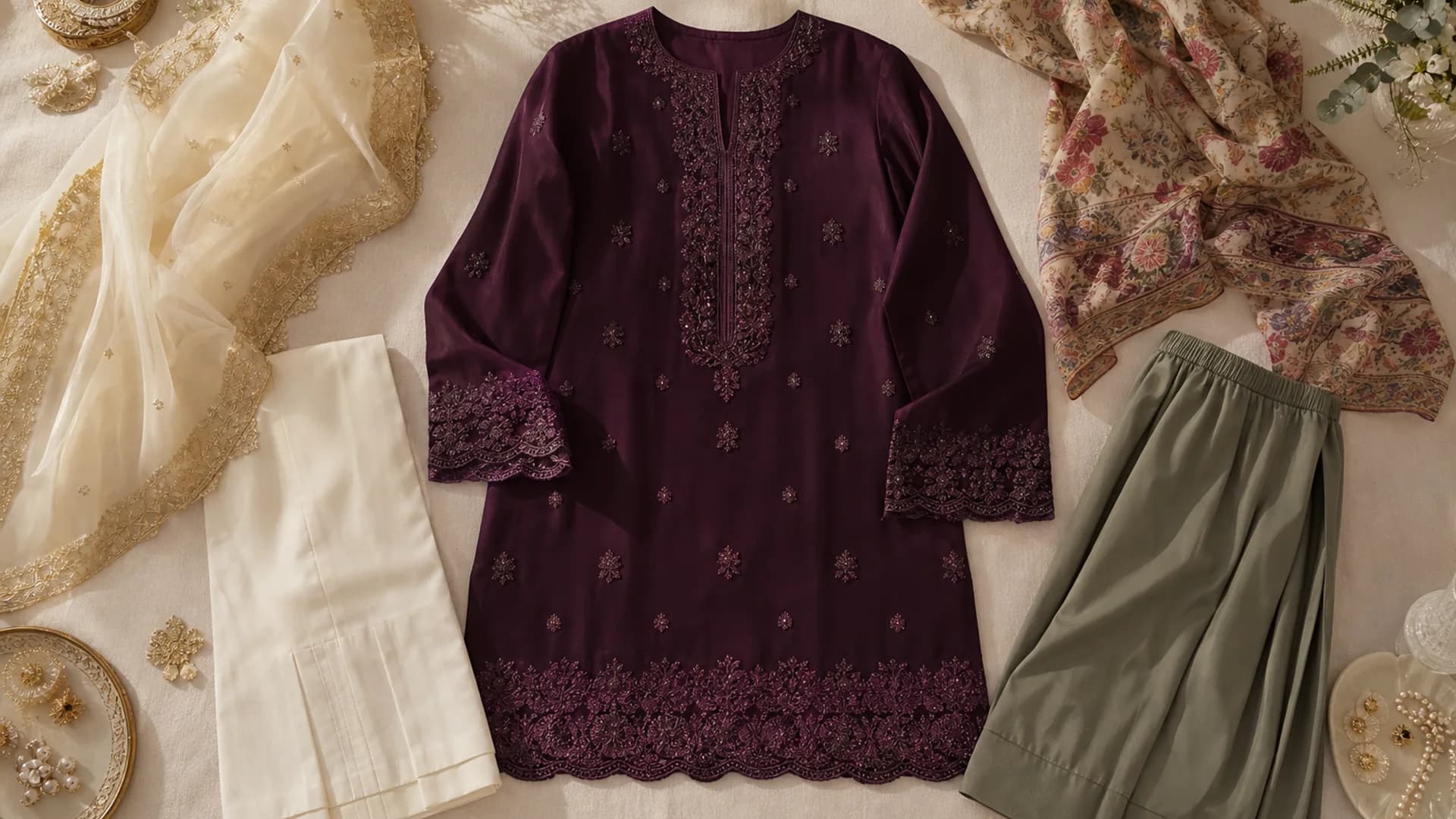
Eight Ways to Restyle a Formal Suit You Own
Most wardrobes hold three or four formal outfits that have been worn once and feel finished. Very little needs to change to make them wearable again.
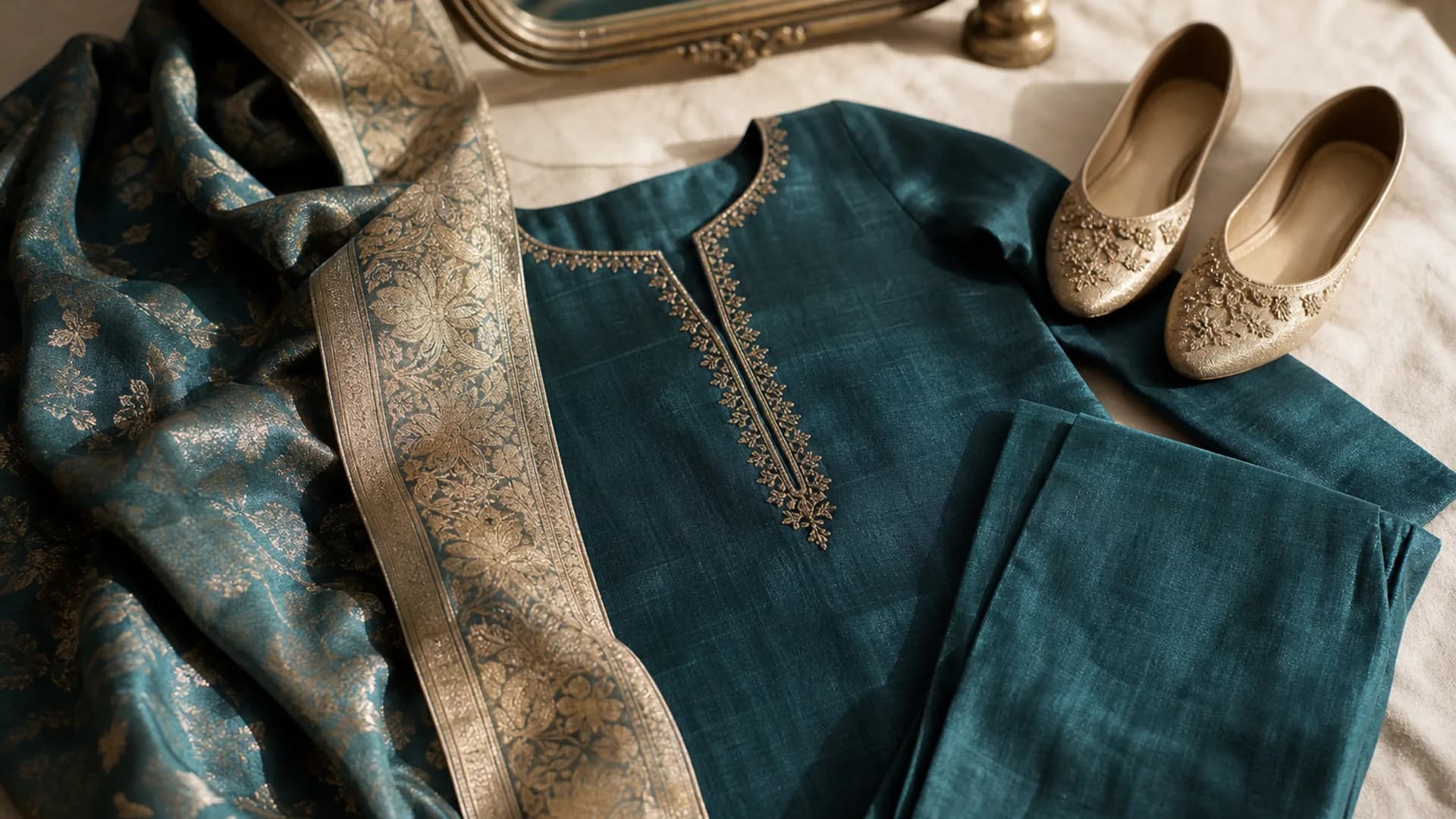
Formal Dressing in Your Forties and Fifties
There is a great deal of advice about what women over forty should stop wearing. Most of it is wrong. What actually changes is fit, fabric and comfort.
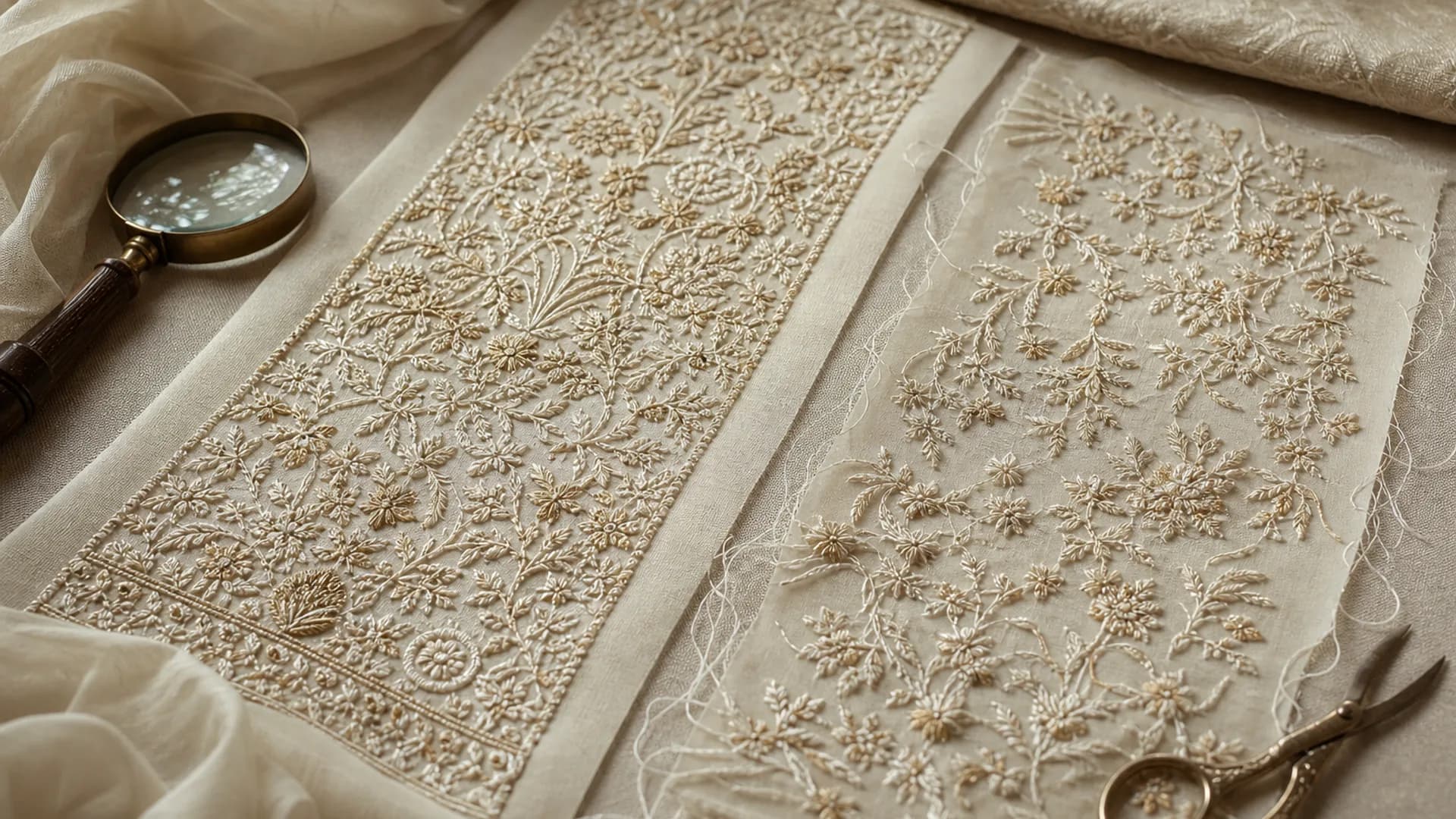
Original or Copy: How to Tell a Replica Suit
Master copies are sold openly and often honestly. The problem is when a copy is sold as an original at an original's price — here is how to tell.