
Unstitched vs Ready-to-Wear Suits — Which Is Better for You?
Should you buy unstitched fabric or ready-to-wear? This guide compares both options to help you make the right choice for your needs, timeline, and budget.
One of the most common questions Pakistani women face when shopping for formal wear is: should I buy unstitched fabric or ready-to-wear (pret)? Both have their advantages, and the right choice depends on your timeline, budget, body type, and personal preferences.
What Is Unstitched Fabric?
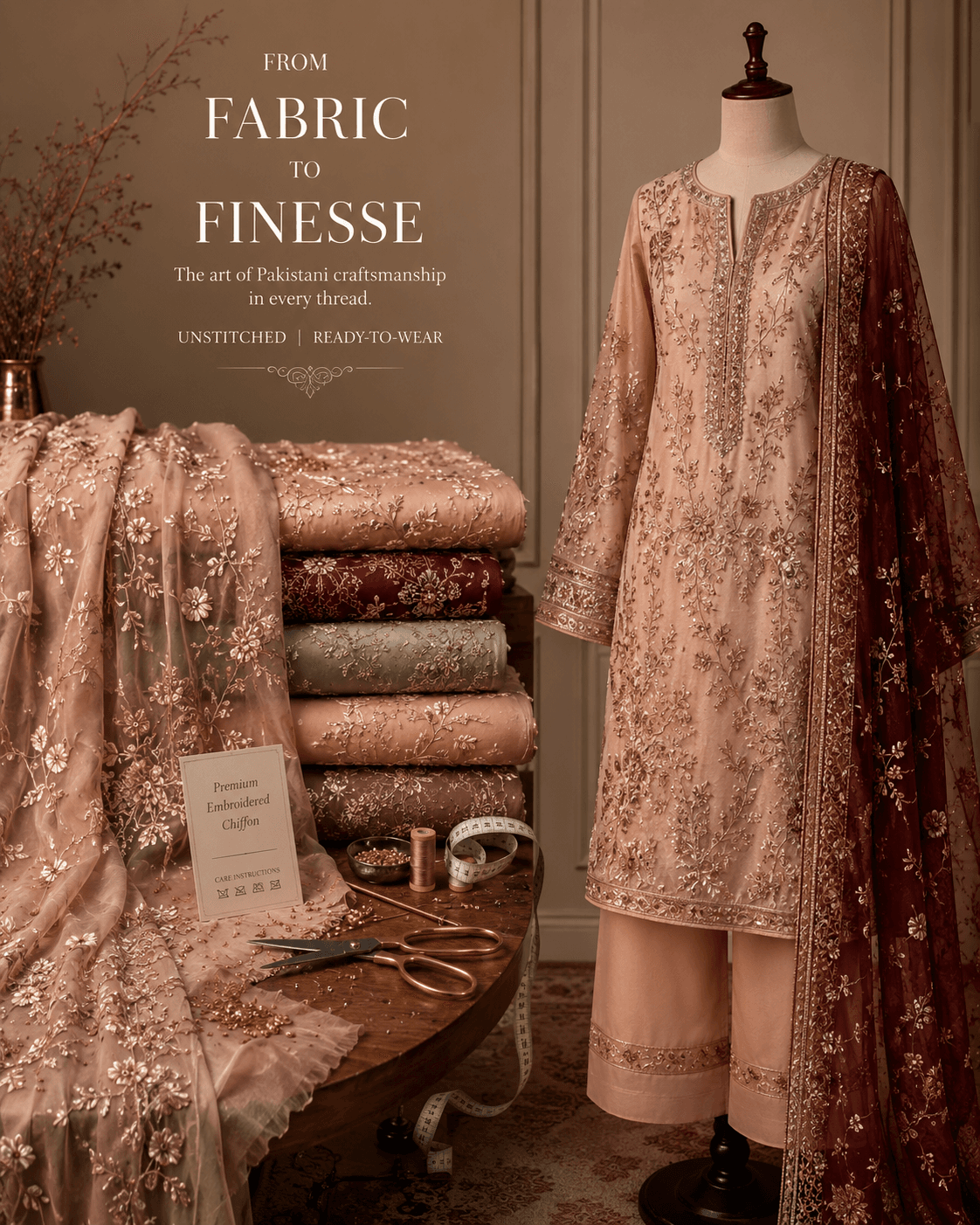
Unstitched fabric (also called lawn sets or suit sets) is fabric sold in meters — typically 2.5 to 3 meters of kameez fabric, 2 to 2.5 meters of shalwar/churidar fabric, and 2.5 meters of dupatta fabric. You purchase the fabric and then take it to a tailor (darzi) to be stitched to your measurements.
What Is Ready-to-Wear (Pret)?
Ready-to-wear suits (also called pret or stitched suits) are pre-made garments available in standard sizes (XS, S, M, L, XL). You buy the suit, and it's ready to wear immediately — no tailoring needed (though minor alterations are sometimes required).
Unstitched vs Ready-to-Wear: Complete Comparison
1. Customization & Fit
Unstitched: Complete customization — you can adjust neckline, sleeve length, kameez length, and fit to your exact measurements. Perfect if you have a trusted tailor. Ready-to-Wear: Standard sizing. Fits most body types but may need minor alterations. Great if you fit standard sizes well.
2. Timeline & Convenience
Unstitched: Requires 7-14 days for stitching, depending on your tailor's workload. Not ideal if you need an outfit urgently. Ready-to-Wear: Instant — wear it the same day or next day. Perfect for last-minute events.
3. Pricing
Unstitched: Often more affordable upfront, but you'll pay separately for stitching (Rs. 1,500-5,000 depending on complexity). Ready-to-Wear: Higher upfront cost, but no additional tailoring fees. Transparent pricing.
4. Quality Control
Unstitched: Quality depends entirely on your tailor's skill. A good tailor makes all the difference. Ready-to-Wear: Professionally stitched with quality control. Less risk of stitching errors.
5. Design Flexibility
Unstitched: You can modify the design — change necklines, add pockets, adjust embroidery placement. Ready-to-Wear: Design is final. What you see is what you get.
Which One Should You Choose?
- Choose Unstitched If: You have a trusted tailor, you want a custom fit, you have 2-3 weeks before the event, you want design flexibility
- Choose Ready-to-Wear If: You need an outfit urgently, you fit standard sizes well, you want hassle-free shopping, you prefer professional stitching quality
Frequently Asked Questions
About the Author
Habiba Minhas
Founder and creative director of Habiba Minhas, Pakistan's leading handcrafted fashion brand based in Karachi. With a passion for preserving traditional Pakistani craftsmanship while embracing modern design, she has built a brand serving over 5,000 customers nationwide.
Specializing in premium ladies suits, kids festive wear, and baby products, Habiba works directly with artisan embroiderers and skilled tailors to create pieces that honor Pakistani heritage.
Related Articles
Eight Ways to Restyle a Formal Suit You Own
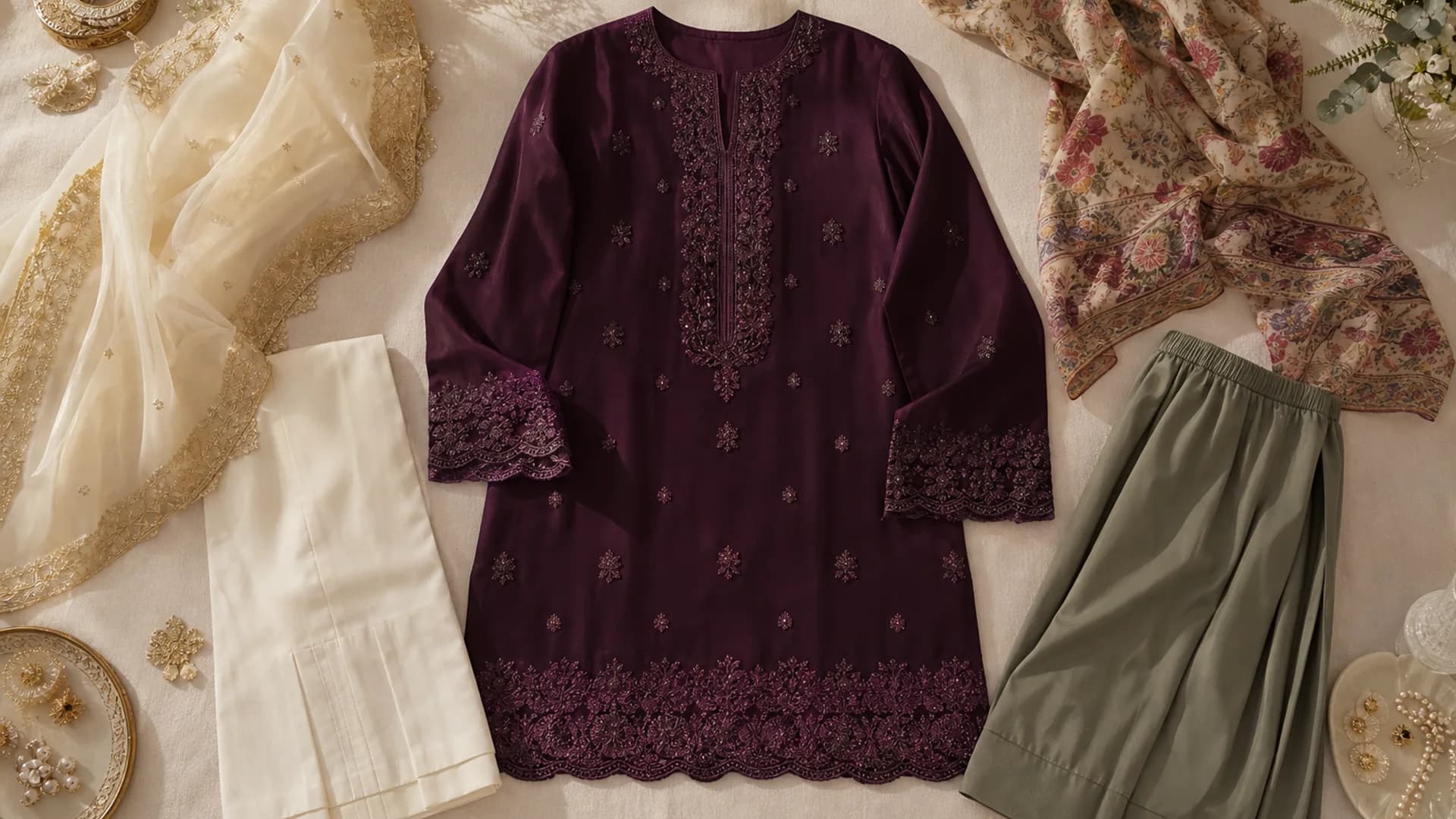
Most wardrobes hold three or four formal outfits that have been worn once and feel finished. Very little needs to change to make them wearable again.
Formal Dressing in Your Forties and Fifties
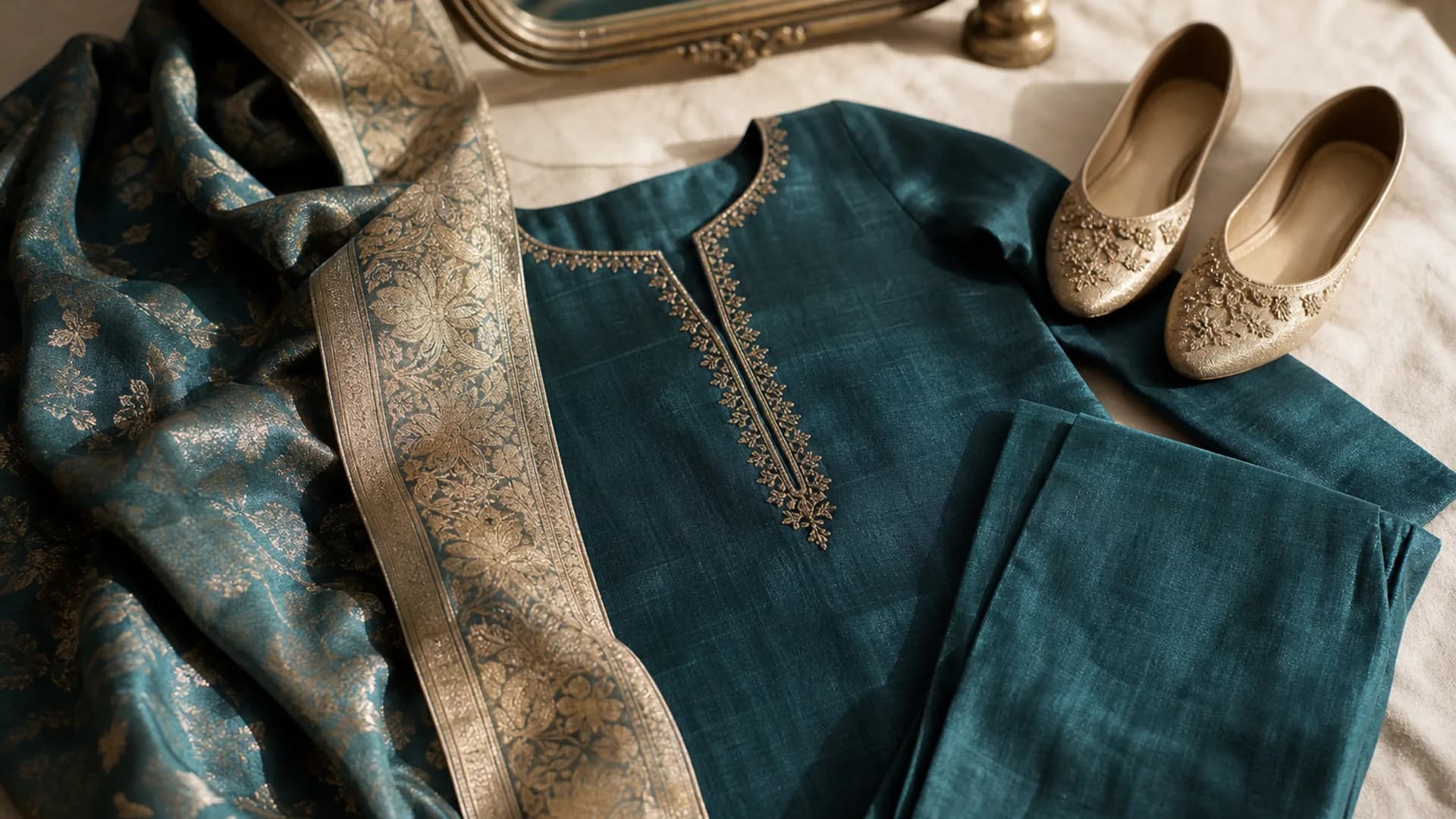
There is a great deal of advice about what women over forty should stop wearing. Most of it is wrong. What actually changes is fit, fabric and comfort.
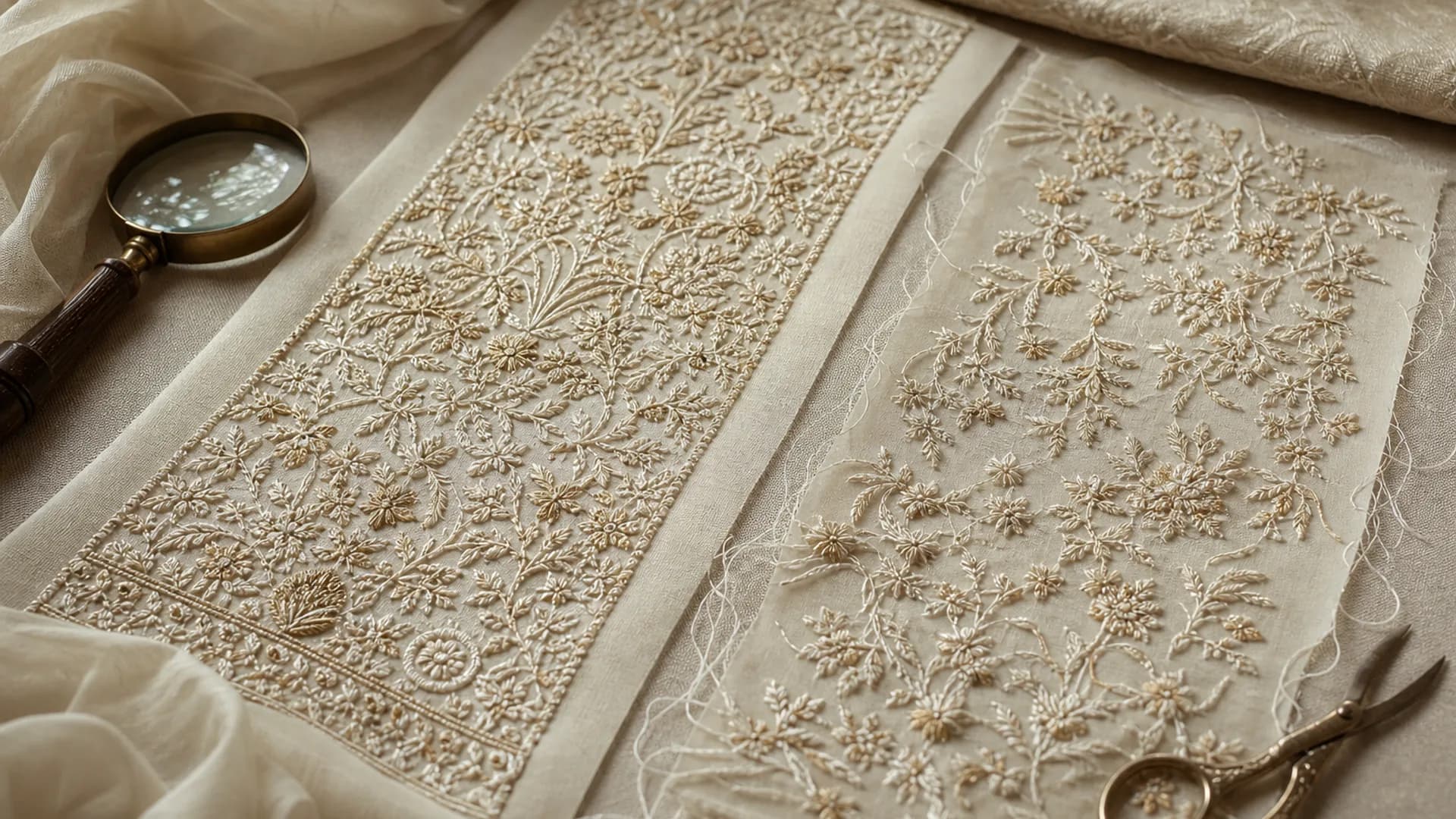
Original or Copy: How to Tell a Replica Suit
Master copies are sold openly and often honestly. The problem is when a copy is sold as an original at an original's price — here is how to tell.